Law #0

MK13 - Constitution of the Celts

Show details · Read on Google Docs

CONSTITUTION of the CELTS

Provision I: The Legislative Branch

ARTICLE I: COMPOSITION OF THE LEGISLATIVE BRANCH

Section 1. Legislative power shall be vested in a bicameral legislature consisting of two chambers.

  1. The Lower House shall be known as the Commons and shall be composed of all members of the Democraciv community, regardless of other positions held within the government.
  2. The Upper House shall be known as the Senate and shall be composed of five (5) members, each duly elected in accordance with the law and for a duration of four (4) weeks.
  1. The Senate shall be elected by the people utilizing Single Transferable Vote (STV) with the Droop Quota.

Section 2. The Commons shall elect from among its members a Speaker and Vice Speaker who shall be responsible for the organization and tallying of legislation and voting for the Commons.

  1. The Commons may, by rule or resolution, establish, modify, or abolish additional positions.

Section 3. The Senate shall elect from among its members a Senator Presiding, who shall handle the administrative burden of the Senate.

ARTICLE II: POWERS OF THE LEGISLATIVE BRANCH

Section 1. The Legislative Branch may introduce Legislation pertaining to anything neither covered, nor prohibited by this Constitution, including but not limited to: (a) the issuance of directives and/or policy guidelines to the Executive Branch; (b) the impeachment of elected officials; and (c) the establishment of subordinate offices or institutions.

  1. No Legislation or Procedure established by the Senate, or any other body, shall hold retroactive authority or effect.

Section 2. Legislation must be approved by both the Commons and Senate, afterward it will be presented to the President who shall have 48 hours to approve or reject it, or it will automatically be passed into law.

  1. Passed Legislation becomes law once approved by the President or after 48 hours if the President fails to approve or reject it.
  2. A Vetoed bill can be overturned by the Senate as long as ⅘ of the Members vote to overturn it.

Section 3. The Legislative Branch controls all Diplomacy for City States.

Section 4. The Legislative Branch has control of the Treasury.

Section 5. The Legislative Branch is responsible for Allocating Turns to the Executive Branch.

Section 6. The Legislative Branch may Regulate Production of the nation’s cities.

Section 7. The Legislative Branch may declare trade embargoes on other Civilizations.

Section 8. The Legislative Branch makes decisions regarding Religion.

Section 9. Each chamber of the legislature may establish rules and procedures for their respective chamber.

  1. The vote to establish initial procedures shall remain open for no less than twenty-four (24) hours.

ARTICLE III: POWERS OF THE COMMONS

Section 1. The Commons shall possess the following powers:

  1. To declare war.
  2. To fill any vacancy occurring in the offices of President or Senator, such appointment to endure for the remainder of the term then in effect.
  3. To initiate impeachment proceedings against any elected or appointed Member of Government.
  1. After initiating Impeachment, the Senate must vote to convict or acquit.
  2. A convicted elected official shall be removed from office.

Section 2. A bill is considered approved if a majority of votes from the Commons are in favor, Quorum has been reached, and the vote has remained open for the full duration prescribed by the procedures of the Commons.

  1. Quorum is determined by ⅓ (rounded down) of the last election turnout.
  2. Upon approval of a bill by the Senate in the form in which it was passed in the Commons, the bill shall be transmitted to the Executive Branch for approval or veto in accordance with law.
  3. If the Senate has not approved the bill in the form in which it was passed in the Commons, the bill shall remain before the Senate for consideration and vote pursuant to established legislative procedures.

ARTICLE IV: POWERS OF THE SENATE

Section 1. The Senate shall possess the following powers:

  1. To accept or reject peace deals.
  2. To override a veto with a 4/5 vote in the affirmative.
  3. To confirm judicial appointments.

Section 2. A bill is considered approved if a majority (3/5) of the Senate vote in favor.

  1. Upon approval of a bill by the Commons in the form in which it was passed in the Senate, the bill shall be transmitted to the Executive Branch for approval or veto in accordance with law.
  2. If the Commons have not approved the bill in the form in which it was passed in the Senate, the bill shall remain before the Commons for consideration and vote pursuant to established legislative procedures.

Provision II: The Executive Branch

ARTICLE I: COMPOSITION & ELECTION

Section 1. The Executive Branch will be composed of one (1) elected official, known as the President.

  1. A term in the Executive branch will be four (4) weeks.
  2. The President shall be elected using Ranked Pairs voting.

Section 2. The President shall appoint a cabinet of advisors, with confirmation by the Senate.

  1. The Foreign Minister may offer non-binding recommendations on affairs of diplomacy & may be charged with recording and posting information relevant to diplomacy.
  2. The Finance Minister may offer non-binding recommendations on affairs of spending and revenue, and may be charged with recording and posting relevant information.
  3. The Defence Minister may offer non-binding recommendations on affairs of military and warfare, and may be charged with recording and posting relevant information.
  4. The Attorney General may offer non-binding recommendations on legal matters & may represent the executive branch in lawsuits.
  5. Additional advisor positions may be established or eliminated through law or Executive Action.

ARTICLE II: POWERS OF THE EXECUTIVE BRANCH

Section 1. The President shall be responsible for streaming the game.

  1. The President may establish a Streamer position to play the game for them.
  2. The President may appoint a Streamer who serves at the pleasure of the President.

Section 2. The President may make any decisions in game that have not been regulated by the Legislative Branch.

Section 3. The President shall control the delegates for the World Congress.

Section 4. The President may Approve/Negotiate Trade Deals with other civilizations that do not expend Treasury Resources.

  1. The trade deals may not violate Embargoes set by the legislative branch

Section 5. The President shall control all Military and Civilian Units, subject to reasonable regulations as produced by the Legislative Branch.

Section 6. The President shall control the Production of a City, subject to any regulations as produced by the Legislative Branch.

Section 7. The President shall be the only one to put forth legislation on establishing Alliances and Defensive Pacts.

Section 8 The President has the sole ability to make Declaration of Friendships and Denouncements of other Civilizations.

Section 9. The President may veto any legislation brought forth by the Legislative Branch.

  1. A veto may be overridden by the Senate in a 4/5 vote in the affirmative.
  2. The President must provide their official reason for vetoing the legislation.

Section 10. The President shall be responsible for nominating Supreme Court Justices.

  1. Nominations may be confirmed by the Senate with a majority vote (3/5) in the affirmative.

Section 11. The President may establish additional rules and procedures for the Executive Branch.

Provision III: The Judicial Branch

ARTICLE I: COMPOSITION & APPOINTMENT

Section 1. The Judicial Branch shall consist of the Supreme Court and such Inferior Courts as the Supreme Court deems fit to establish.

  1. The Supreme Court shall initially consist of three (3) Justices, including one (1) Chief Justice, who shall serve terms lasting six (6) weeks.
  1. The size of the Supreme Court may be determined by Law but shall not exceed seven (7) nor be less than three (3).
  1. Any enacted Legislation that would alter the size of the Supreme Court shall only take effect at the end of the current Supreme Court term.
  1. Upon expiration of their term, all justices shall continue to serve in a holdover capacity retaining full powers and responsibilities until a full slate of successor justices has been confirmed by the Senate. No individual Justice’s service shall terminate and no successor shall take office until all three successors have been confirmed by the Senate. Any Justice may be reappointed and confirmed as part of the succeeding court.

Section 2. The Supreme Court shall be Nominated by the President, and confirmed by the Senate.

  1. The Chief Justice shall be Appointed by the Supreme Court from amongst themselves with a Majority of Votes Cast in the Affirmative.

ARTICLE II: POWERS & RESPONSIBILITIES

Section 1. The Judicial Branch shall be responsible for all cases in Law arising under this Constitution, the Laws of the government, and controversies between the people or the people and their government.

  1. Members of the Judiciary may not initiate their own cases while in office.
  2. No law, motion, or procedure of the Legislative, Executive, or body other than the Judiciary may legally contradict a ruling of the Judiciary on the Constitution.
  3. No law, motion, or procedure of the Legislative, Executive, or body other than the Judiciary may be held to bind the Judiciary in their interpretation of the Law and Constitution.

Section 2. When adjudicating cases, the Supreme Court has the following explicit powers:

  1. The power to void unconstitutional laws and rulings, removing them from the legal code and rendering them ineffective.
  2. The power to issue sentences as defined by Law.
  3. The power to mandate the government take actions in accordance with Law and the Constitution.

Section 3. The Supreme Court may issue and lift injunctions: orders for individuals or bodies to explicitly not carry out specific actions.

  1. An injunction may never be used to order an individual or body to carry out an action.
  2. An injunction may never be used to halt impeachment or impeachment proceedings.
  3. All injunctions must be related to pending or active Supreme Court cases.
  4. Injunctions may only be issued if the plaintiff or the Supreme Court demonstrates that the lack of one (or more) would burden the Court to effectively hear, sentence, or remedy a case or if the lack thereof would cause serious harm to the plaintiff or public.
  5. After issuing an injunction, the Supreme Court must provide an opinion describing how the facts of the case fit the criteria for an injunction.
  1. The Supreme Court must provide a way for an affected party to present an argument for the injunction to be lifted unless the injunction was issued as part of the sentence of a case.
  2. After an argument against the injunction is presented, the Supreme Court must decide whether to lift the injunction or leave it in place within a reasonable amount of time after the argument’s presentation.

Section 4. The Supreme Court may issue subpoenas, requiring a person or entity to provide documents or other evidence or testimony, which may be issued upon the request of a party, provided the following conditions are met:

  1. The request is narrowly tailored,
  2. The requested evidence or testimony is relevant to the case at hand,
  3. Compliance with the request would not create an undue burden or unreasonable harm to the recipient.

Section 5. The Supreme Court may establish additional rules and procedures for itself.

  1. No law, motion, or procedure of the Legislative, Executive, or body other than the Judiciary may establish rules and procedures for the Judiciary.
  2. All rules and procedures pertaining to the Supreme Court must be available for viewing by the public.

Provision IV: Game Rules

ARTICLE I: STREAM RULES

Section 1. The President may conduct a Stream only upon the allocation of turns by the legislative branch.

  1. In the absence of such allocation no Stream shall occur.
  2. The President is not required to utilize all turns allocated to them.

Section 2. Allocation must follow these rules:

  1. The maximum shall reflect the full allocation granted, without regard to the number of turns actually used during the Stream.
  2. Turns allocated for a Stream shall be limited to that Stream only. Any unused turns shall not carry over to a subsequent Stream and shall nevertheless count toward the maximum allocation for the term.

ARTICLE II: GOVERNMENT RULES

Section 1. Moderation shall act as the default Electioneers unless an alternative is provided by law.

Section 2. No individual may hold any office in other branches of Government while serving in the Judicial Branch.

Section 3. Individuals shall not hold more than one (1) elected positions simultaneously, unless otherwise specified in this Constitution.

  1. If elected to two or more such positions, the individual has 48 hours to resign until in compliance or otherwise resolves this conflict.
  2. Failure to resolve this restriction will result in the individual being removed from all elected positions.

Provision V: The Constitution

ARTICLE I: RATIFICATION & AMENDMENT

Section 1. The Citizens may amend this constitution by at least three-fifths (3/5) approval through public referendum.

Section 2. An unmodified copy of this Constitution, including all ratified amendments, must always be kept by Moderation.

Section 3. Should the Citizens choose to ratify this Constitution using a public referendum with at least three-fifths (3/5) of votes cast in the affirmative, then the Constitution is ratified, to take effect immediately as the supreme law, and the game may begin.

Provision VI: Settings

ARTICLE I: META DIRECTIONS

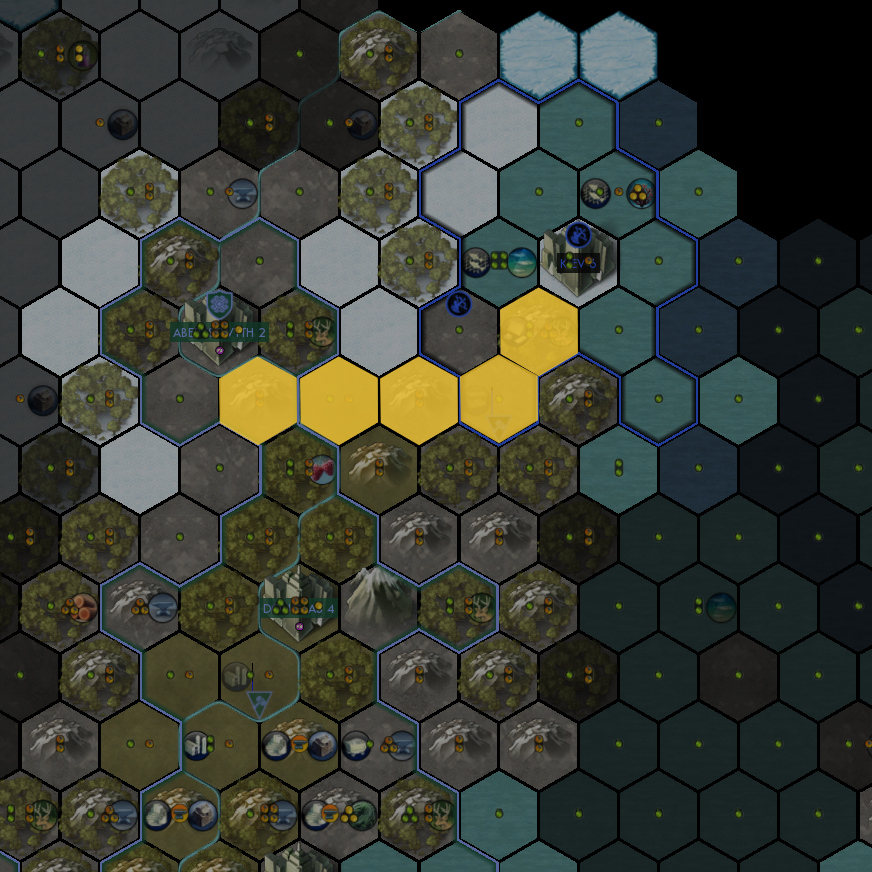
Section 1. The game shall be played using Sid Meier’s Civilization V.

  1. Expansions, DLC, Modes, Mods, and other settings shall be determined by Law.

Section 2. The Civilization played will be the Celts.

Provision VII: The Bill of Rights

ARTICLE I: RIGHTS

Section 1. All subjects of the nation, whether through conquest or through birth, hold these inalienable rights enumerated below:

  1. The right to citizenship and equality to all other citizens.
  2. The right to freedom of speech and freedom of assembly.
  3. The right to political thought and belief.
  4. The right to vote and be heard by the government.
  5. The right to hold any religious stance.

Law #1

MK13 Senate Procedures

Show details · Read on Google Docs

SENATE PROCEDURES:

THE GOVERNMENT of THE CELTS


ARTICLE I: THE CABINET

Section 1. The Senator Presiding shall be elected by Senators and shall be in charge of overseeing the actions of the Senate.

  1. The Senate may establish additional offices by motion or legislation.
  2. All senate offices shall collectively be referred to as the cabinet.
  3. The procedures below shall apply to any internal position created by the senate unless explicitly stated otherwise in relevant legislation.
  4. All offices shall be considered vacant upon the conclusion of a term; each term requires its own election unless specified in legislation.

Section 2. The first 24 hours after election results are posted at the beginning of a term shall be the candidacy announcement period for those interested in running for the cabinet.

  1. Senators may announce their candidacy for
  2. Senators may nominate other Senators, but the nominee must publicly accept by the end of the 24 hour period in order to be considered for the election.
  3. All announcements, nominations, and acceptance must be in the #senate-floor channel.

Section 3. The cabinet election shall begin following the conclusion of the candidacy announcement period, shall last 24 hours, and shall be conducted by emoji reaction vote.

  1. In a tie, or failure to elect, the winner shall be decided at random by moderation.
  2. A senator may motion to end the cabinet election only if all senators have voted.
  3. If a position is uncontested, then the senator in the running is automatically chosen to fill said position without the need for a vote.

Section 4. In the event of a vacancy the senate shall follow the steps prescribed below:

  1. From the moment of the vacancy a 24 hour timeframe will open for senators to either announce their candidacy or accept nomination in the #senate-floor channel.
  2. The next 24 hour timeframe will consist of a vote unless the position is uncontested.
  3. This process shall be used to elect the first Senator Presiding if a vacancy exists at the time of the adoption of these procedures.

ARTICLE II: SENATE SESSION

Section 1. Senate Sessions shall operate on a 5-day cycle with 3 periods.

  1. The start of the cycle is chosen by the Senator Presiding and initiated using ‘-senate session open’ or the appropriate bot command in the #senate-floor channel.
  2. The Senator Presiding may keep any period open past its prescribed time limit.
  1. The Senate may force a period to close with a 3/5 vote in favor given that the minimum timeframe for each period has passed.

Section 2. The first 48 hours shall be the proposal period.

  1. During this period Senators may propose bills.
  2. Bills must be written onto a google doc, and be submitted using ‘-senate submit’ or the appropriate bot command in the #senate-floor channel or the #bot channel.
  3. In the event of no bot; the bill document link must be posted in the #senate-floor channel.
  4. Any bill passed by the Commons, that has not been introduced to the Senate, shall be considered by the Senate.
  5. All bills will be added to a google sheet by the Senator Presiding or their delegate.
  6. The Senator Presiding may end the period & prevent further submissions by using ‘-senate session lock’ or the appropriate bot command once 48 hours have transpired.

Section 3. The 48 hours after the end of the proposal period shall be the discussion period.

  1. Up until the end of this period, senators may adjust/amend their proposed bills.

i. Following each edit in the google doc, Senators must announce in the #senate-floor channel that their bill has been edited and how.

ii. The Senator Presiding may use the ‘-bill synchronize’ command or other appropriate bot command to synchronize the changes.

  1. The Senator Presiding may plan a synchronous discussion time on a voice channel.
  2. The Senator Presiding may end the period & prevent further amendment by using ‘-senate session vote’ or the appropriate bot command once 48 hours have transpired.

Section 4. The 24 hours following ‘-senate session vote’ or the appropriate command shall be the voting period.

  1. During this period senators may vote on bills.
  2. Senators shall mark their vote in the google sheet.
  3. The Senator Presiding may close voting early if all senators have voted.
  4. A bill is considered approved if a majority (3/5) of senators vote in favor.
  5. The Senator Presiding may use ‘-senate session close’ or the appropriate command to end the session.

ARTICLE III: EMERGENCY SESSIONS

Section 1. The Senator Presiding may call an emergency session,

  1. Senators may motion to overrule and cancel the emergency session with a 3/5 vote as long as the motion is made within 24 hours of the emergency session being declared.
  2. They may run concurrent to a regular session and in which case will not be required to use bot commands; the Senator Presiding shall give clear instructions on the step by step process in #senate-floor.
  3. The emergency session shall be a three day cycle; a 24 hour proposal period, 24 hour discussion period, and 24 hour voting period.
  4. The Senator Presiding may keep any period open past its prescribed time limit.

Section 2. The first 24 hours after the emergency session starts shall be the proposal period.

  1. During this period each senator may propose up to three bills.
  2. Bills must be written onto a google doc, and be submitted using the appropriate bot command in the #senate-floor channel or the #bot channel.
  3. In the event of no bot; the bill document link must be posted in the #senate-floor channel and the Senator Presiding shall be pinged.
  4. Any bill passed by the Commons, that has not been introduced to the Senate, may be considered by the Senate.
  5. All bills will be added to a google sheet by the Senator Presiding or their delegate.
  6. The Senator Presiding may end the period & prevent further submissions by declaring so in #senate-floor or by using the appropriate bot command once 24 hours have transpired.

Section 3. The next 24 hours after the proposal period ends shall be the discussion period.

  1. Up until the end of this period, senators may adjust/amend their proposed bills.

i.        Following each edit in the google doc, Senators must announce in the #senate-floor channel that their bill has been edited and how.

ii. The Senator Presiding may use the ‘-bill synchronize’ command or other appropriate bot command to synchronize the changes.

  1. The Senator Presiding may plan a synchronous discussion time on a voice channel.
  2. The Senator Presiding may end the period & prevent further amendment by declaring so in #senate-floor or by using ‘-senate session vote’ or the appropriate bot command once 24 hours has transpired.

Section 4. The next 24 hours after the discussion period ends shall be the voting period.

  1. During this period senators may vote on bills.
  2. Senators shall mark their vote in the google sheet.
  3. The Senator Presiding may close voting early if a majority decision has been reached on each bill.
  4. A bill is considered approved if a majority (3/5) of senators vote in favor.
  5. The Senator Presiding may use ‘-senate session close’ or the appropriate command to end the session.

ARTICLE IV: IMPEACHMENT TRIALS

Section 1. After the Commons initiates impeachment proceedings the Senate shall hold a trial in order to determine whether to convict or acquit the defendant.

Section 2. The trial shall take place outside of any senate session; a channel for the trial shall be determined.

Section 3. Senators shall act as a jury while the Chief Justice presides.

  1. If the Chief Justice is the defendant the other justices - or remaining justice - shall serve.
  2. If the entire Supreme Court is the defendant then the Senator Presiding shall preside.
  3. If the defendant is a senator, said senator shall retain their power to vote in the ruling.

Section 4. The appropriate entities shall submit to the Senate a prosecutor and defense for the defendant.

Section 5. The conduct, timeline, and rules for a trial shall be determined by the presiding official; however both prosecution and defense must have an opportunity to argue their case.

Section 6. The Senate shall vote to convict or acquit the defendant based on the charge(s) at the conclusion of arguments.


ARTICLE V: MOTIONS

Section 1. The Senate shall have the ability to enact administrative motions.

  1. Administrative Motions are different from bot motions; administrative motions are listed below in Section 2 through Section 7.
  2. Senators may make a motion by pinging the Senator Presiding and stating their motion.
  3. The Senator Presiding must determine if the motion is in order within 12 hours.
  4. If the motion is out of order then the Senator Presiding must explain why.
  5. If the motion is acceptable then the Senator Presiding must ping all senators, restate the motion, and hold a vote to approve or reject the motion.
  6. A motion is approved with 3/5 vote in favor unless otherwise stated; and a motion fails if it does not get approved within 24 hours.
  7. Motions that result in a bill becoming law should be recorded in the google sheet.

Section 2. Motion to Close the ___ period: To end a period of a standard or emergency session.

Section 3. Motion to Extend the ___ period: To extend a period of a standard or emergency session.

Section 4. Motion to Fast Track: Used on a single piece of legislation at a time, this motion can make a bill immediately have a 24 voting period [requires 4/5 to approve this motion].

Section 5. Motion to Quick-Override: To override a presidential veto; this motion should explicitly name a vetoed bill; upon a 4/5 vote in approval the veto is considered overturned.

Section 6. Motion to Approve with Unanimous Consent: Used on a single piece of legislation at a time, this motion automatically passes the named bill if all five senators approve within 24 hours & there is no vote in opposition.

Section 7. Motion to Suspend the Rules: Briefly suspends procedural rules to achieve an objective [requires unanimous approval to adopt this motion].


ARTICLE VI: MISCELLANEOUS

Section 1. The Senator Presiding retains the power to use emoji votes, voice votes, text channel votes, or standard google sheet votes.

Section 2. The Senator Presiding shall act as legal counsel for the Senate in absence of a formal position tasked with such responsibility; this responsibility may be delegated.

Section 3. No lawsuit shall be filed in the name of the Senate without a vote approving such; any case filed by a member of the senate does not entail responsibility to the entirety of the senate.

Section 4. If a senator has been inactive for ten (10) or more days, as determined by the Supreme Court, the member may be removed.

Section 5. These procedures shall remain in effect henceforth; amendments may be approved.

Section 6. The Senator Presiding may also be referred to as the First Senator.

Law #2

Commons Procedures

Show details · Read on Google Docs

Commons Procedures:

THE GOVERNMENT of THE CELTS


ARTICLE I: THE CABINET

Section 1. The Speaker and Vice Speaker of the Commons shall be elected by the Commons and shall be in charge of overseeing the actions of the Commons.

  1. The Commons may establish additional offices by motion or legislation.
  2. The Speaker, Vice Speaker and any additional Commons offices shall collectively be referred to as the Cabinet of the Commons.
  3. The procedures below shall apply to any internal position created by the Commons unless explicitly stated otherwise in relevant legislation.
  4. All offices shall be considered vacant upon the conclusion of a term; each term requires its own election unless specified in legislation.

Section 2. The period during which the official Candidacy Thread for the next General Election is open shall also be the candidacy announcement period for those interested in running for the Cabinet.

  1. Candidacy announcements for any positions listed in the official Candidacy Thread of the next General Election must be made in that thread.
  1. Candidacy announcements for any other Cabinet positions must be made in the #commons-floor discord channel.
  1. Citizens may nominate other citizens, but the nominee must publicly accept by the end of the candidacy announcement period to be considered for the election.
  2. The Cabinet election shall begin alongside the General Election.

Section 3. Cabinet elections for any positions listed in the official Candidacy Thread of the next General Election shall be conducted as part of the General Election. Cabinet elections for any other positions shall be conducted by emoji reaction vote which shall last until the end of the General Election.

  1. In a tie, or failure to elect, the winner shall be decided by coin toss conducted by moderation.

Section 4. In the event of a vacancy the Commons shall follow the steps prescribed below:

  1. From the moment of the vacancy a 24 hour timeframe will open for citizens to either announce their intention to run or accept nomination.
  2. The next 24 hour timeframe will consist of a vote.
  1. This vote shall be conducted as an emoji reaction vote in the #commons-floor channel.
  2. If a position is uncontested, the only candidate running for it is automatically elected without the need for a vote.

ARTICLE II: COMMONS  SESSION

Section 1. Commons Sessions shall operate on a 5-day cycle with 3 periods.

  1. The start of the cycle is chosen by the Speaker or Vice Speaker and initiated using the ‘-commons session open’ command or other appropriate functionality of the Democraciv bot.
  2. The Speaker or Vice Speaker may freely extend any period by up to 1 hour.

Section 2. The first 48 hours shall be the proposal period.

  1. During this period citizens may propose bills and motions.
  2. Bills must be written onto a google doc, and the link must be posted in the #commons-floor channel. The bill must also be submitted to the Democraciv bot.
  3. Any bill passed by the Senate that has not been introduced to the Commons, shall be considered by the Commons.
  4. The Speaker or Vice Speaker may end the period & prevent further submissions by using the ‘-commons session lock’ command or other appropriate functionality of the Democraciv bot once 48 hours have transpired.

Section 3. The 48 hours after the end of the proposal period shall be the discussion period.

  1. During this period, citizens may adjust/amend their proposed bills.
  1. Following each edit in the google doc, citizens must announce in the #commons-floor channel that their bill has been edited and how.
  2. Following each edit in the google doc, the Speaker may use the ‘-bill synchronize’ command or other appropriate functionality of the Democraciv bot to synchronize the changes.

  1. The Speaker or Vice Speaker may end the period & prevent further amendment/official discussion by using the ‘-commons session vote’ command or other appropriate functionality of the Democraciv bot once 48 hours have transpired.

Section 4. The 24 hours following the end of the discussion period shall be the voting period.

  1. At the start of this period the Speaker or Vice Speaker shall list all bills and motions considered during this session and present the citizens with an opportunity to vote on them. The vote may be conducted as emoji reaction votes in the #commons-floor channel, or via another method, as decided by the Speaker.
  1. The citizens shall be permitted to vote and change their votes for the full voting period.
  2. The citizens shall be presented with the option to vote in Favour, Against, or Abstain for each bill and motion.
  1. A citizen may only choose one of the options presented for each bill or motion. If a citizen selects multiple options, their vote shall be counted as Abstained.
  2. Abstained votes shall count towards Quorum.
  1. The voting period can only end if Quorum has been reached.
  1. Quorum is determined by ⅓ (rounded down) of the turnout of the last General Election.
  2. Any citizen who votes on any bill or motion which is part of the ongoing session shall be counted towards Quorum.
  3. If Quorum is not reached within 24 hours, the voting period shall be extended until Quorum is reached.
  1. A bill or motion is considered approved if by the end of the voting period it has received more votes in Favour than votes Against.
  2. Once the voting period ends, the Speaker or the Vice Speaker shall record all votes made and their results. This data shall be archived and made publicly available.

ARTICLE III: EMERGENCY SESSIONS

Section 1. The Speaker may call an emergency session,

  1. An emergency session may run concurrent to a regular session. In such a case it will not be required to use bot commands; the Speaker or Vice Speaker shall give clear instructions on the step by step process in #commons-floor.
  2. The emergency session shall be a three day cycle; a 24 hour proposal period, 24 hour discussion period, and 24 hour voting period.
  3. The Speaker may keep any period open past its prescribed time limit.

Section 2. The first 24 hours after the emergency session starts shall be the proposal period.

  1. During this period each citizen may propose at most one bill or motion.
  2. Bills must be written onto a google doc, the link must be posted in the #commons-floor channel, and the Speaker or Vice Speaker should be pinged if the bot cannot be used.
  3. The Speaker or Vice Speaker may add or may request the author to add any bill that has passed the Senate or is being considered by the Senate.
  4. The Speaker may end the period & prevent further submissions by declaring as so in #commons-floor or by using the ‘-commons session lock’ command or other appropriate functionality of the Democraciv bot once 24 hours have transpired.

Section 3. The next 24 hours after the proposal period ends shall be the discussion period.

  1. During this period, citizens may adjust/amend their proposed bills.
  1. Following each edit in the google doc, citizens must announce in the #commons-floor channel that their bill has been edited and how.
  2. Following each edit in the google doc, the Speaker may use the ‘-bill synchronize’ command or other appropriate functionality of the Democraciv bot to synchronize the changes.
  1. The Speaker may end the period & prevent further amendment/official discussion by declaring so in #commons-floor or by using appropriate functionality of the Democraciv bot once 24 hours have transpired.

Section 4. The next 24 hours after the discussion period ends shall be the voting period. Voting shall be conducted in accordance with the same rules as during an ordinary session, as outlined in Article II, Section 4.

ARTICLE IV: MOTIONS

Section 1. Any citizen may propose a motion.

  1. A motion may be proposed as part of an ordinary Commons session, as part of an Emergency Session, or independently of sessions.
  1. Any motion proposed as part of an ordinary Commons session must follow the rules established in Article II.
  2. Any motion proposed as part of an Emergency Session must follow the rules established in Article III.
  3. A motion proposed independently of sessions must be posted in the #commons-floor channel and shall be considered by emoji reaction vote which will last for 48 hours. The Speaker or Vice Speaker shall record the votes and the result.

Section 2. A motion passes if by the end of the allotted voting period the amount of votes in Favour which it received is a sufficient fraction of the total amount of votes in Favour and Against which it received.

  1. A motion to declare war shall require at least a ⅗ fraction of votes in Favour.
  2. A motion to initiate impeachment proceedings against a specified elected or appointed Member of Government shall require a 4/7 fraction of votes in Favour.
  3. Any other motion shall require a fraction of votes in Favour greater than ½.
  4. A motion cannot pass unless it has been voted on by a number of citizens no lesser than Quorum.

ARTICLE V: VACANCIES

Section 1. When a vacancy occurs in the offices of President or Senator, the Commons shall elect a replacement for the remainder of the term then in effect.

  1. From the moment of the vacancy a 24 hour timeframe will open for citizens to announce their intention to run. The announcement must be made publicly and the Speaker or Vice Speaker must be pinged.
  2. The next 24 hour timeframe will consist of a vote, organized by the Speaker or Vice Speaker.
  1. All citizens must be allowed to participate in this vote.
  2. The candidate who receives the most votes in Favour shall be elected.
  1. If a position is uncontested, the only candidate running for it is automatically elected without the need for a vote.

ARTICLE VI: MISCELLANEOUS

Section 1. The Speaker shall act as legal counsel for the Commons in absence of a formal position tasked with such responsibility; this responsibility may be delegated.

Section 2. No lawsuit shall be filed in the name of the Commons without a vote approving such; any case filed by a member of the Commons does not entail responsibility to the entirety of the Commons.

Section 3. These procedures shall remain in effect henceforth.

  1. Amendments to these procedures may be passed via motion.
Law #3

Celt Government Act

Show details · Read on Google Docs

CELT GOVERNMENT ACT

ARTICLE I: PICKING A NAME

Section 1. The government shall be empowered to choose a name inspired by historical Celtic peoples to use for identifying terms of government.

Section 2. The list of the most well known Celtic peoples are included below:

  1. Belgae
  2. Britons
  3. Caledonians
  4. Celtiberians
  5. Gaels
  6. Gauls
  7. Gallaeci
  8. Galatians
  9. Picts

Section 3. The process shall be as listed below:

  1. The President shall nominate three tribes from the list in Section 2; the President may not nominate a name that has already been adopted.
  2. The President shall name their personal favorite choice as an endorsement.
  3. The Commons shall hold an approval vote to decide between the three nominations; the nomination that is adopted will become the official name of the government that term.

        i. The approval vote may be conducted via emoji reaction.

Section 4. The official name of the government each term may be reflected on voting sheets, procedures, and other records to help differentiate between government terms.


ARTICLE II: REFERENCE

Section 1. Basic historical information for each tribe shall be provided below for reference.

  1. Belgae - A confederation of Celtic tribes inhabiting northern Gaul and parts of southern Britain. They were known for their military reputation, extensive trade networks, and influence on both sides of the English Channel.
  2. Britons - The Celtic peoples who inhabited most of Great Britain in antiquity. They produced figures such as Boudica and left a lasting legacy through the Welsh, Cornish, and Breton cultures that survive today.
  3. Caledonians - A collection of peoples living in what is now Scotland. They are remembered for preserving their independence and for their role in shaping the distinct identity of northern Britain.
  4. Celtiberians - Celtic-speaking peoples of central and northern Iberia who blended Celtic and Iberian traditions. They were renowned as skilled warriors and horsemen and are associated with the legendary city of Numantia.
  5. Gaels - The Gaelic peoples of Ireland and later western Scotland. They developed the Gaelic languages and produced a rich tradition of mythology, poetry, law, and monastic scholarship that influenced medieval Europe.
  6. Gauls - The Celtic peoples of ancient Gaul, occupying much of modern France and neighboring regions. They are associated with leaders such as Vercingetorix and with the vibrant art, craftsmanship, and commerce of Iron Age Europe.
  7. Gallaeci - The peoples of modern Galicia and northern Portugal, known for their hillfort settlements known as castros. Their cultural heritage remains visible in the traditions, folklore, and identity of northwestern Iberia.
  8. Galatians - Descendants of Celtic migrants who settled in central Anatolia during the third century BC. They established powerful kingdoms in Asia Minor and are remembered today through the New Testament.
  9. Picts - A people of northern and eastern Scotland famous for their intricately carved symbol stones and distinctive culture. Their kingdoms eventually merged with the Gaels to form the medieval Kingdom of Alba, the predecessor of Scotland.
Law #4

Ministry Act

Show details · Read on Google Docs

MINISTRY ACT

ARTICLE I: THE MINISTRY OF FOREIGN AFFAIRS

Section 1. The Ministry of Foreign Affairs shall be created.

Section 2. The Ministry shall be empowered with the ability to analyze international relations data from each stream; compile and store said information; publicize findings; and make non-binding suggestions regarding the state of the world.

Section 3. The goal of the Ministry is to report international conditions and to promote policies that will benefit the country.

Section 4. The Ministry shall be officially classified as a government entity and thus subject to all rules on transparency, integrity, and other relevant regulations.

ARTICLE II: THE MINISTRY OF FINANCE

Section 1. The Ministry of Finance shall be created.

Section 2. The Ministry shall be empowered with the ability to analyze economic data from each stream; compile and store economic information; publicize findings; and make non-binding suggestions regarding the economy.

Section 3. The goal of the Ministry is to report economic conditions and to promote policies that will financially benefit the country.

Section 4. The Ministry shall be officially classified as a government entity and thus subject to all rules on transparency, integrity, and other relevant regulations.

ARTICLE III: THE MINISTRY OF DEFENCE

Section 1. The Ministry of Defence shall be created.

Section 2. The Ministry shall be empowered with the ability to analyze military data from each stream; compile and store military information; publicize findings; and make non-binding suggestions regarding the security of the civilization.

Section 3. The goal of the Ministry is to report military conditions and to promote policies that will benefit the security of the country.

Section 4. The Ministry shall be officially classified as a government entity and thus subject to all rules on transparency, integrity, and other relevant regulations.


ARTICLE IV: MINISTRY PERSONNEL

Section 1. Each individual ministry may have at most three (3) individuals working within it at any given time: (i.) The Minister (ii.) two (2) bureaucrats.

  1. The direct head of each ministry shall be the corresponding minister; who shall hold operational oversight and management of the Ministry.

        i. The Foreign Minister shall oversee the Ministry of Foreign Affairs.

        ii. The Defence Minister shall oversee the Ministry of Defence

        iii. The Finance Minister shall oversee the Ministry of Finance.

  1. Each minister may appoint bureaucrats to assist in their respective ministry operations.

i. Bureaucrats must be citizens and must not serve within the Judicial branch.

ii. Bureaucrats shall serve until dismissal by their respective minister; dismissal by the president; or their resignation.

ARTICLE V: INFRASTRUCTURE

Section 1. The government requests that Moderation creates the following channels:

  1. A channel for the Ministry of Foreign Affairs named; Foreign Affairs.
  2. A channel for the Ministry of Finance named; Finance.
  3. A channel for the Ministry of Defence named; Defence.

Section 2. Channels shall be where each ministry posts their relevant information, reports, etc.

  1. No members of the general public may comment in this channel.
  2. No bureaucrat may post in another ministry channel unless they were duly appointed to serve in that ministry.

Section 3. The government requests that Moderation creates the role of “bureaucrat” for those who have been duly appointed to serve in a ministry.

  1. The government is responsible for directly notifying Moderation of who should or should not have access.
  2. Once a person is no longer employed in a ministry they shall lose the role.

Section 2. Each Ministry shall store all relevant files in a publicly accessible location.

Section 3. Members of the public may request specific information and the appropriate ministry shall endeavour to fulfill the request at the best of their ability.

Law #5

Budget Act

Show details · Read on Google Docs

BUDGET ACT

ARTICLE I: DISCRETIONARY SPENDING

Section 1. Treasury expenses may be appropriated for the following purposes:

  1. The maintenance of no more than seven (7) military units at any one time.
  2. The maintenance of no more than three (3) civilian units at any one time..
  3. The purchase of tile(s) not exceeding 200 gold total per stream.
  4. The upgrade of military unit(s) not exceeding 150 gold per stream.

ARTICLE II: MANDATORY SPENDING

Section 1. The maintenance cost of buildings shall be automatically approved.

  1. Unless otherwise specified by law.

ARTICLE III: CLARIFICATIONS

Section 1. The following are a nonbinding way to clarify terms used in this legislation:

  1. Military units: Combat entities used for warfare, defense, and exploration.
  2. Civilian units: Non-combatants that cannot attack, but perform essential tasks like founding cities, improving tiles, spreading religion, and executing trade.
  3. Buildings: Structures constructed within cities to provide continuous bonuses.
  4. Wonders: A building which may be unique in the world & provides exceptional bonuses.
  5. Tiles: The fundamental hexagonal units of land and water that make up the game map.

ARTICLE IV: FUTURE LEGISLATION

Section 1. Future legislation may appropriate additional funds for specific purposes.

Section 2. This legislation shall serve as a foundational budget which may be amended or entirely repealed to reflect the fiscal policy inclinations of the government.

Law #8

Miscellaneous Act

Show details · Read on Google Docs

SENATE PROCEDURES:

THE GOVERNMENT of THE CELTS


ARTICLE I: THE CABINET

Section 1. The Senator Presiding shall be elected by Senators and shall be in charge of overseeing the actions of the Senate.

  1. The Senate may establish additional offices by motion or legislation.
  2. All senate offices shall collectively be referred to as the cabinet.
  3. The procedures below shall apply to any internal position created by the senate unless explicitly stated otherwise in relevant legislation.
  4. All offices shall be considered vacant upon the conclusion of a term; each term requires its own election unless specified in legislation.

Section 2. The first 24 hours after election results are posted at the beginning of a term shall be the candidacy announcement period for those interested in running for the cabinet.

  1. Senators may announce their candidacy for
  2. Senators may nominate other Senators, but the nominee must publicly accept by the end of the 24 hour period in order to be considered for the election.
  3. All announcements, nominations, and acceptance must be in the #senate-floor channel.

Section 3. The cabinet election shall begin following the conclusion of the candidacy announcement period, shall last 24 hours, and shall be conducted by emoji reaction vote.

  1. In a tie, or failure to elect, the winner shall be decided at random by moderation.
  2. A senator may motion to end the cabinet election only if all senators have voted.
  3. If a position is uncontested, then the senator in the running is automatically chosen to fill said position without the need for a vote.

Section 4. In the event of a vacancy the senate shall follow the steps prescribed below:

  1. From the moment of the vacancy a 24 hour timeframe will open for senators to either announce their candidacy or accept nomination in the #senate-floor channel.
  2. The next 24 hour timeframe will consist of a vote unless the position is uncontested.
  3. This process shall be used to elect the first Senator Presiding if a vacancy exists at the time of the adoption of these procedures.

ARTICLE II: SENATE SESSION

Section 1. Senate Sessions shall operate on a 5-day cycle with 3 periods.

  1. The start of the cycle is chosen by the Senator Presiding and initiated using ‘-senate session open’ or the appropriate bot command in the #senate-floor channel.
  2. The Senator Presiding may keep any period open past its prescribed time limit.
  1. The Senate may force a period to close with a 3/5 vote in favor given that the minimum timeframe for each period has passed.

Section 2. The first 48 hours shall be the proposal period.

  1. During this period Senators may propose bills.
  2. Bills must be written onto a google doc, and be submitted using ‘-senate submit’ or the appropriate bot command in the #senate-floor channel or the #bot channel.
  3. In the event of no bot; the bill document link must be posted in the #senate-floor channel.
  4. Any bill passed by the Commons, that has not been introduced to the Senate, shall be considered by the Senate.
  5. All bills will be added to a google sheet by the Senator Presiding or their delegate.
  6. The Senator Presiding may end the period & prevent further submissions by using ‘-senate session lock’ or the appropriate bot command once 48 hours have transpired.

Section 3. The 48 hours after the end of the proposal period shall be the discussion period.

  1. During Up until the end of this period, senators may adjust/amend their proposed bills.

i. Following each edit in the google doc, Senators must announce in the #senate-floor channel that their bill has been edited and how.

ii. The Senator Presiding may use the ‘-bill synchronize’ command or other appropriate bot command to synchronize the changes.

  1. The Senator Presiding may plan a synchronous discussion time on a voice channel.
  2. The Senator Presiding may end the period & prevent further amendment by using ‘-senate session vote’ or the appropriate bot command once 48 hours have transpired.

Section 4. The 24 hours following ‘-senate session vote’ or the appropriate command shall be the voting period.

  1. During this period senators may vote on bills.
  2. Senators shall mark their vote in the google sheet.
  3. The Senator Presiding may close voting early if all senators have voted.
  4. A bill is considered approved if a majority (3/5) of senators vote in favor.
  5. The Senator Presiding may use ‘-senate session close’ or the appropriate command to end the session.

ARTICLE III: EMERGENCY SESSIONS

Section 1. The Senator Presiding may call an emergency session,

  1. Senators may motion to overrule and cancel the emergency session with a 3/5 vote as long as the motion is made within 24 hours of the emergency session being declared.
  2. They may run concurrent to a regular session and in which case will not be required to use bot commands; the Senator Presiding shall give clear instructions on the step by step process in #senate-floor.
  3. The emergency session shall be a three day cycle; a 24 hour proposal period, 24 hour discussion period, and 24 hour voting period.
  4. The Senator Presiding may keep any period open past its prescribed time limit.

Section 2. The first 24 hours after the emergency session starts shall be the proposal period.

  1. During this period each senator may propose up to three bills.
  2. Bills must be written onto a google doc, and be submitted using the appropriate bot command in the #senate-floor channel or the #bot channel.
  3. In the event of no bot; the bill document link must be posted in the #senate-floor channel and the Senator Presiding shall be pinged.
  4. Any bill passed by the Commons, that has not been introduced to the Senate, may be considered by the Senate.
  5. All bills will be added to a google sheet by the Senator Presiding or their delegate.
  6. The Senator Presiding may end the period & prevent further submissions by declaring so in #senate-floor or by using the appropriate bot command once 24 hours have transpired.

Section 3. The next 24 hours after the proposal period ends shall be the discussion period.

  1. During Up until the end of this period, senators may adjust/amend their proposed bills.

i.        Following each edit in the google doc, Senators must announce in the #senate-floor channel that their bill has been edited and how.

ii. The Senator Presiding may use the ‘-bill synchronize’ command or other appropriate bot command to synchronize the changes.

  1. The Senator Presiding may plan a synchronous discussion time on a voice channel.
  2. The Senator Presiding may end the period & prevent further amendment by declaring so in #senate-floor or by using ‘-senate session vote’ or the appropriate bot command once 24 hours has transpired.

Section 4. The next 24 hours after the discussion period ends shall be the voting period.

  1. During this period senators may vote on bills.
  2. Senators shall mark their vote in the google sheet.
  3. The Senator Presiding may close voting early if a majority decision has been reached on each bill.
  4. A bill is considered approved if a majority (3/5) of senators vote in favor.
  5. The Senator Presiding may use ‘-senate session close’ or the appropriate command to end the session.

ARTICLE IV: IMPEACHMENT TRIALS

Section 1. After the Commons initiates impeachment proceedings the Senate shall hold a trial in order to determine whether to convict or acquit the defendant.

Section 2. The trial shall take place outside of any senate session; a channel for the trial shall be determined.

Section 3. Senators shall act as a jury while the Chief Justice presides.

  1. If the Chief Justice is the defendant the other justices - or remaining justice - shall serve.
  2. If the entire Supreme Court is the defendant then the Senator Presiding shall preside.
  3. If the defendant is a senator, said senator shall retain their power to vote in the ruling.

Section 4. The appropriate entities shall submit to the Senate a prosecutor and defense for the defendant.

Section 5. The conduct, timeline, and rules for a trial shall be determined by the presiding official; however both prosecution and defense must have an opportunity to argue their case.

Section 6. The Senate shall vote to convict or acquit the defendant based on the charge(s) at the conclusion of arguments.

ARTICLE V: MOTIONS

Section 1. The Senate shall have the ability to enact administrative motions.

  1. Administrative Motions are different from bot motions; administrative motions are listed below in Section 2 through Section 7.
  2. Senators may make a motion by pinging the Senator Presiding and stating their motion.
  3. The Senator Presiding must determine if the motion is in order within 12 hours.
  4. If the motion is out of order then the Senator Presiding must explain why.
  5. If the motion is acceptable then the Senator Presiding must ping all senators, restate the motion, and hold a vote to approve or reject the motion.
  6. A motion is approved with 3/5 vote in favor unless otherwise stated; and a motion fails if it does not get approved within 24 hours.
  7. Motions that result in a bill becoming law should be recorded in the google sheet.

Section 2. Motion to Close the ___ period: To end a period of a standard or emergency session.

Section 3. Motion to Extend the ___ period: To extend a period of a standard or emergency session.

Section 4. Motion to Fast Track: Used on a single piece of legislation at a time, this motion can make a bill immediately have a 24 voting period [requires 4/5 to approve this motion].

Section 5. Motion to Quick-Override: To override a presidential veto; this motion should explicitly name a vetoed bill; upon a 4/5 vote in approval the veto is considered overturned.

Section 6. Motion to Approve with Unanimous Consent: Used on a single piece of legislation at a time, this motion automatically passes the named bill if all five senators approve within 24 hours & there is no vote in opposition.

Section 7. Motion to Suspend the Rules: Briefly suspends procedural rules to achieve an objective [requires unanimous approval to adopt this motion].

ARTICLE VI: MICELLANEOUS MISCELLANEOUS

Section 1. The Senator Presiding retains the power to use emoji votes, voice votes, text channel votes, or standard google sheet votes.

Section 2. The Senator Presiding shall act as legal counsel for the Senate in absence of a formal position tasked with such responsibility; this responsibility may be delegated.

Section 3. No lawsuit shall be filed in the name of the Senate without a vote approving such; any case filed by a member of the senate does not entail responsibility to the entirety of the senate.

Section 4. If a senator has been inactive for ten (10) or more days, as determined by the Supreme Court, the member may be removed.

Section 5. These procedures shall remain in effect henceforth; amendments may be approved.

Section 6. The Senator Presiding may also be referred to as the First Senator.

Law #9

Legislative Integrity Act

Show details · Read on Google Docs

LEGISLATIVE INTEGRITY ACT

ARTICLE I: INTEGRITY

Section 1. No legislation or amendment shall be written using an existing document of a law being stored by the server bot.

Section 2. Tampering with law documents stored by the server bot shall be prohibited and the perpetrator may be subject to legal consequences as determined by the Supreme Court or other legislation.

  1. Laws may be altered to fit the text of a duly-authorized amendment(s).
  2. Laws may also be kept in their original form provided that the duly-authorized amendment is publicly available and stored within the server bot.

Section 3. Any law document found tempered with shall be reverted to the latest form in which it was when passed into law, or previously amended, by the legal process.

Law #12

Commons Procedures Vacancy Vote Amendment

Show details · Read on Google Docs

Commons Procedures Vacancy Vote Amendment

Authors: CaptainMinion

Purpose: General initial amendments to the Commons Procedures. The Commons Procedures shall be amended:

Underlined text in Blue to be added.

Text in Red and strikethrough to be removed.


Commons Procedures:

THE GOVERNMENT of THE CELTS


ARTICLE I: THE CABINET

Section 1. The Speaker and Vice Speaker of the Commons shall be elected by the Commons and shall be in charge of overseeing the actions of the Commons.

  1. The Commons may establish additional offices by motion or legislation.
  2. The Speaker, Vice Speaker and any additional Commons offices shall collectively be referred to as the Cabinet of the Commons.
  3. The procedures below shall apply to any internal position created by the Commons unless explicitly stated otherwise in relevant legislation.
  4. All offices shall be considered vacant upon the conclusion of a term; each term requires its own election unless specified in legislation.

Section 2. The period during which the official Candidacy Thread for the next General Election is open shall also be the candidacy announcement period for those interested in running for the Cabinet.

  1. Candidacy announcements for any positions listed in the official Candidacy Thread of the next General Election must be made in that thread.
  1. Candidacy announcements for any other Cabinet positions must be made in the #commons-floor discord channel.
  1. Citizens may nominate other citizens, but the nominee must publicly accept by the end of the candidacy announcement period to be considered for the election.
  2. The Cabinet election shall begin alongside the General Election.

Section 3. Cabinet elections for any positions listed in the official Candidacy Thread of the next General Election shall be conducted as part of the General Election. Cabinet elections for any other positions shall be conducted by emoji reaction vote which shall last until the end of the General Election.

  1. In a tie, or failure to elect, the winner shall be decided by coin toss conducted by moderation.
  1. Cabinet elections for any other positions shall be conducted via a Discord poll in the #commons-floor channel.
  1. This vote shall be an approval vote. Each Citizen shall be able to vote in favor of any candidates they approve of.
  1. The candidate who receives the most votes by the end of the vote shall be elected.
  1. This vote shall last until the end of the General Election.
  2. In a tie, or failure to elect, the winner shall be decided by coin toss conducted by moderation.

Section 4. In the event of a vacancy the Commons shall follow the steps prescribed below:

  1. From the moment of the vacancy a 24 hour timeframe will open for citizens to either announce their intention to run or accept nomination.
  2. The next 24 hour timeframe will consist of a vote.
  1. This vote shall be subject to the rules described in Article I, Section 3.A and its subsections, except for the matter of the vote’s duration.conducted as an emoji reaction vote in the #commons-floor channel.
  2. If a position is uncontested, the only candidate running for it is automatically elected without the need for a vote.

ARTICLE II: COMMONS  SESSION

Section 1. Commons Sessions shall operate on a 5-day cycle with 3 periods.

  1. The start of the cycle is chosen by the Speaker or Vice Speaker and initiated using the ‘-commons session open’ command or other appropriate functionality of the Democraciv bot.
  2. The Speaker or Vice Speaker may freely extend any period by up to 1 hour.

Section 2. The first 48 hours shall be the proposal period.

  1. During this period citizens may propose bills and motions.
  2. Bills must be written onto a google doc, and the link must be posted in the #commons-floor channel. The bill must also be submitted to the Democraciv bot.
  3. Any bill passed by the Senate that has not been introduced to the Commons, shall be considered by the Commons.
  4. The Speaker or Vice Speaker may end the period & prevent further submissions by using the ‘-commons session lock’ command or other appropriate functionality of the Democraciv bot once 48 hours have transpired.

Section 3. The 48 hours after the end of the proposal period shall be the discussion period.

  1. During this period, citizens may adjust/amend their proposed bills.
  1. Following each edit in the google doc, citizens must announce in the #commons-floor channel that their bill has been edited and how.
  2. Following each edit in the google doc, the Speaker may use the ‘-bill synchronize’ command or other appropriate functionality of the Democraciv bot to synchronize the changes.
  1. The Speaker or Vice Speaker may end the period & prevent further amendment/official discussion by using the ‘-commons session vote’ command or other appropriate functionality of the Democraciv bot once 48 hours have transpired.
  2. The Speaker may motion to end the discussion period early.
  1. The Speaker shall conduct a vote for this motion via a method of their choosing.
  2. If this motion is supported by the Vice Speaker and receives a number of unique votes in favor greater than Quorum and greater than the number of votes against, the Speaker may end the discussion period early.

Section 4. The 24 hours following the end of the discussion period shall be the voting period.

  1. At the start of this period the Speaker or Vice Speaker shall list all bills and motions considered during this session and present the citizens with an opportunity to vote on them. The vote may be conducted as emoji reaction votes in the #commons-floor channel, or via another method, as decided by the Speaker.
  1. The citizens shall be permitted to vote and change their votes for the full voting period.
  2. The citizens shall be presented with the option to vote in Favour, Against, or Abstain for each bill and motion.
  1. A citizen may only choose one of the options presented for each bill or motion. If a citizen selects multiple options, their vote shall be counted as Abstained.
  2. Abstained votes shall count towards Quorum.
  1. The voting period can only end if Quorum has been reached.
  1. Quorum is determined by ⅓ (rounded down) of the turnout of the last General Election.
  2. Any citizen who votes on any bill or motion which is part of the ongoing session shall be counted towards Quorum.
  3. If Quorum is not reached within 24 hours, the voting period shall be extended until Quorum is reached.
  1. A bill or motion is considered approved if by the end of the voting period it has received more votes in Favour than votes Against.
  2. Once the voting period ends, the Speaker or the Vice Speaker shall record all votes made and their results. This data shall be archived and made publicly available.

ARTICLE III: EMERGENCY SESSIONS

Section 1. The Speaker may call an emergency session,

  1. An emergency session may run concurrent to a regular session. In such a case it will not be required to use bot commands; the Speaker or Vice Speaker shall give clear instructions on the step by step process in #commons-floor.
  2. The emergency session shall be a three day cycle; a 24 hour proposal period, 24 hour discussion period, and 24 hour voting period.
  3. The Speaker may keep any period open past its prescribed time limit.

Section 2. The first 24 hours after the emergency session starts shall be the proposal period.

  1. During this period each citizen may propose at most one bill or motion.
  2. Bills must be written onto a google doc, the link must be posted in the #commons-floor channel, and the Speaker or Vice Speaker should be pinged if the bot cannot be used.
  3. The Speaker or Vice Speaker may add or may request the author to add any bill that has passed the Senate or is being considered by the Senate.
  4. The Speaker may end the period & prevent further submissions by declaring as so in #commons-floor or by using the ‘-commons session lock’ command or other appropriate functionality of the Democraciv bot once 24 hours have transpired.

Section 3. The next 24 hours after the proposal period ends shall be the discussion period.

  1. During this period, citizens may adjust/amend their proposed bills.
  1. Following each edit in the google doc, citizens must announce in the #commons-floor channel that their bill has been edited and how.
  2. Following each edit in the google doc, the Speaker may use the ‘-bill synchronize’ command or other appropriate functionality of the Democraciv bot to synchronize the changes.
  1. The Speaker may end the period & prevent further amendment/official discussion by declaring so in #commons-floor or by using appropriate functionality of the Democraciv bot once 24 hours have transpired.
  2. The Speaker may motion to end the discussion period early.
  1. The Speaker shall conduct a vote for this motion via a method of their choosing.
  2. If this motion is supported by the Vice Speaker and receives a number of unique votes of approval greater than Quorum, the Speaker may end the discussion period early.

Section 4. The next 24 hours after the discussion period ends shall be the voting period. Voting shall be conducted in accordance with the same rules as during an ordinary session, as outlined in Article II, Section 4.

ARTICLE IV: MOTIONS

Section 1. Any citizen may propose a motion.

  1. A motion may be proposed as part of an ordinary Commons session, as part of an Emergency Session, or independently of sessions.
  1. Any motion proposed as part of an ordinary Commons session must follow the rules established in Article II.
  2. Any motion proposed as part of an Emergency Session must follow the rules established in Article III.
  3. A motion proposed independently of sessions must be posted in the #commons-floor channel and shall be considered by emoji reaction vote which will last for 48 hours. The Speaker or Vice Speaker shall record the votes and the result.

Section 2. A motion passes if by the end of the allotted voting period the amount of votes in Favour which it received is a sufficient fraction of the total amount of votes in Favour and Against which it received.

  1. A motion to declare war shall require at least a ⅗ fraction of votes in Favour.
  2. A motion to initiate impeachment proceedings against a specified elected or appointed Member of Government shall require a 4/7 fraction of votes in Favour.
  3. Any other motion shall require a fraction of votes in Favour greater than ½.
  4. A motion cannot pass unless it has been voted on by a number of citizens no lesser than Quorum.

ARTICLE V: VACANCIES

Section 1. When a vacancy occurs in the offices of President or Senator, the Commons shall elect a replacement for the remainder of the term then in effect.

  1. From the moment of the vacancy a 24 hour timeframe will open for citizens to announce their intention to run. The announcement must be made publicly and the Speaker or Vice Speaker must be pinged.
  2. The next 24 hour timeframe will consist of a vote, organized by the Speaker or Vice Speaker.
  1. All citizens must be allowed to participate in this vote.
  2. The candidate who receives the most votes in Favour shall be elected.
  1. If a position is uncontested, the only candidate running for it is automatically elected without the need for a vote.

ARTICLE VI: MISCELLANEOUS

Section 1. The Speaker shall act as legal counsel for the Commons in absence of a formal position tasked with such responsibility; this responsibility may be delegated.

Section 2. No lawsuit shall be filed in the name of the Commons without a vote approving such; any case filed by a member of the Commons does not entail responsibility to the entirety of the Commons.

Section 3. These procedures shall remain in effect henceforth.

  1. Amendments to these procedures may be passed via motion or bill.
Law #14

Celtic Game Settings Act, v. 3

Show details · Read on Google Docs

Celtic Game Settings Act

Authors: Quaerendo_Invenietis, CaptainMinion, other members of the former Radical and Unionist Party (MK12), PaintHouses, ThyReformer, HKim, Taylor

Purpose: To establish the game settings for Democraciv MK13


Section 1: DLC and Mods

  1. The President or Streamer shall play a game of Civilization V with all DLCs (at a minimum, Brave New World, Gods and Kings, and the Explorer’s Map Pack) as The Celts / Boudicca, using the following set of mods:
  1. Really Advanced Setup (v 15)
  2. Enlightenment Era (v. 7)
  3. Sukritact’s Events and Decisions (v 2)*
  4. Slower Research (v 1)**
  5. Half inflation (v 1)
  6. UI - EditUnitNames (v 1)
  7. UI - Enhanced Demographics (v 6)
  8. UI - Map Pins (v 17)
  9. Historical Religions Edit (v 45)
  10. Medieval Heresies (v 1)
  11. Protestant Denominations (v 5)
  12. Gaia’s +Resource Compendium+ (v 600)
  13. Gaia’s +Resource Buildings+ (v 600)
  14. Gaia’s +Pantheon Compendium+ (v 600)
  15. Gaia’s +More Faith Buildings+ (v 600)
  16. Religion - No AI Free Pottery (v 1)
  17. Religion - Improved Customization (v 15)
  18. Better Trees
  19. Forest on Snow Tiles
  20. Reforestation
  21. Arendelle’s Components - Policy Trees
  22. TranquilSilence’s England (Edward I)

* Line 165 of the file ReligiousDecisions.lua shall be edited to read:
tReligionEvents_1.RELIGION_DRUIDISM = {GameInfo.Yields.YIELD_CULTURE.ID, GameInfo.Yields.YIELD_CULTURE.ID, "DRUIDISM"}

** Line 15 of the file SlowerTech.xml shall be edited to read:
                                <Set ResearchPercent="145" />

Section 2: Settings

  1. The President or Streamer shall generate the Civilization V map on which we will play and the modes of play therein using the game settings tabulated below, leaving all other options at their default settings:

Setting

Option

Number of Players

14

Player 1

The Celts - Boudicca

Player 2

England - Edward I

Player 3

Rome - Augustus Caesar

Player 4

France - Napoleon

Player 5

The Iroquois - Hiawatha

Player 6

The Aztecs - Montezuma

Player 7

The Zulus - Shaka

All other players

Random Civilization

Map Type

Small Continents Plus

Map Size

Huge

World Age

3 Billion Years

Temperature

Cool

Rainfall

Wet

Sea Level

Low

Resources

Strategic Balance

Active Civilizations

UNCHECK the following:

  1. Byzantium - Theodora
  2. England - Elizabeth I

Visibility

4

Difficulty Level

King

Game Pace

Standard

Game Era

Ancient Era

Advanced Game Options

CHECK the following:

  1. Allow Policy Saving
  2. Allow Promotion Saving
  3. Complete Kills
  4. Quick Combat
  5. Quick Movement
  6. Raging Barbarians

Victory Conditions

UNCHECK Time

All other settings

Default

Section 3: Zero-Turn Session

  1. The President or Streamer must end the first game session prior to settling our first City, and before pressing “Next Turn.”
  2. The President may reroll the map using the “Restart Game” menu option no more than twice.
Law #20

Self-Declare Act

Show details · Read on Google Docs

SENATE PROCEDURES:

THE GOVERNMENT of THE CELTS


ARTICLE I: THE CABINET

Section 1. The Senator Presiding shall be elected by Senators and shall be in charge of overseeing the actions of the Senate.

  1. The Senate may establish additional offices by motion or legislation.
  2. All senate offices shall collectively be referred to as the cabinet.
  3. The procedures below shall apply to any internal position created by the senate unless explicitly stated otherwise in relevant legislation.
  4. All offices shall be considered vacant upon the conclusion of a term; each term requires its own election unless specified in legislation. All offices shall be vacated at the end of each term unless otherwise provided by law.

Section 2. The first 24 hours after election results are posted at the beginning of a term shall be the candidacy announcement period for those interested in running for the cabinet.

  1. Senators may announce their own candidacy. for 
  2. Senators may nominate other Senators, but the nominee must publicly accept by the end of the 24 hour period in order to be considered for the election.
  3. All announcements, nominations, and acceptance must be in the #senate-floor channel.

Section 3. The cabinet election shall begin following after the conclusion of the candidacy announcement period, shall last 24 hours, and shall be conducted by an emoji reaction approval vote.

  1. In a tie, or failure to elect, the winner shall be decided at random by moderation.
  2. A senator may motion to end the cabinet election only if all senators have voted.
  3. If a position is uncontested, then the senator in the running is automatically chosen to fill said position without the need for a vote. An uncontested candidate shall be deemed elected without a vote.

Section 4. In the event of a vacancy the senate shall follow the steps prescribed below:

  1. From the moment of the vacancy a 24 hour timeframe will open for senators to either announce their candidacy or accept nomination in the #senate-floor channel.
  2. The next 24 hour timeframe will consist of an approval vote unless the position is uncontested in which case the candidate is deemed elected without a vote.
  3. This process shall be used to elect the first Senator Presiding if a vacancy exists at the time of the adoption of these procedures.

ARTICLE II: SENATE SESSION

Section 1. Senate Sessions shall operate on a 5-day cycle with 3 periods.

  1. The start of the cycle is chosen by the Senator Presiding and initiated using ‘-senate session open’ or the appropriate bot command in the #senate-floor channel.
  2. The Senator Presiding may keep any period open past its prescribed time limit.
  1. The Senate may force a period to close with a 3/5 vote in favor given that the minimum timeframe for each period has passed.

Section 2. The first 48 hours shall be the proposal period.

  1. During this period Senators may propose bills. and motions.
  2. Bills must be written onto a google doc, and be submitted using ‘-senate submit’ or the appropriate bot command in the #senate-floor channel or the #bot channel.
  3. In the event of no bot; the bill document link must be posted in the #senate-floor channel.
  4. Any bill passed by the Commons, that has not been introduced to the Senate, shall may be considered by the Senate.
  5. All bills will be added to a google sheet by the Senator Presiding or their delegate.
  6. The Senator Presiding may end the period & prevent further submissions by using ‘-senate session lock’ or the appropriate bot command once 48 hours have transpired.

Section 3. The 48 hours after the end of the proposal period shall be the discussion period.

  1. Up until the end of this period, senators may adjust/amend their proposed bills.

i. Following each edit in the google doc, Senators must announce in the #senate-floor channel that their bill has been edited and how.

ii. The Senator Presiding may use the ‘-bill synchronize’ command or other appropriate bot command to synchronize the changes.

  1. The Senator Presiding may plan a synchronous discussion time on a voice channel.
  2. The Senator Presiding may end the period & prevent further amendment by using ‘-senate session vote’ or the appropriate bot command once 48 hours have transpired.

Section 4. The 24 hours following ‘-senate session vote’ or the appropriate command shall be the voting period.

  1. During this period senators may vote on bills by marking their vote in the google sheet.
  2. Senators shall mark their vote in the google sheet.
  3. The Senator Presiding may close voting early if all senators have voted.
  4. A bill is considered approved if a majority (3/5) of senators vote in favor.
  5. The Senator Presiding may use ‘-senate session close’ or the appropriate command to end the session.

ARTICLE III: EMERGENCY SESSIONS

Section 1. The Senator Presiding may call an emergency session,

  1. Senators may motion to overrule and cancel the emergency session with a 3/5 vote as long as the motion is made within 24 hours of the emergency session being declared.
  2. They may run concurrent to a regular session and in which case will not be required to use bot commands; the Senator Presiding shall give clear instructions on the step by step process in #senate-floor.
  3. The emergency session shall be a three day cycle; a 24 hour proposal period, 24 hour discussion period, and 24 hour voting period.
  4. The Senator Presiding may keep any period open past its prescribed time limit.

Section 2. The first 24 hours after the emergency session starts shall be the proposal period.

  1. During this period each senator may propose up to three bills.
  2. Bills must be written onto a google doc, and be submitted using the appropriate bot command in the #senate-floor channel or the #bot channel.
  3. In the event of no bot; the bill document link must be posted in the #senate-floor channel and the Senator Presiding shall be pinged.
  4. Any bill passed by the Commons, that has not been introduced to the Senate, may be considered by the Senate.
  5. All bills will be added to a google sheet by the Senator Presiding or their delegate.
  6. The Senator Presiding may end the period & prevent further submissions by declaring so in #senate-floor or by using the appropriate bot command once 24 hours have transpired.

Section 3. The next 24 hours after the proposal period ends shall be the discussion period.

  1. Up until the end of this period, senators may adjust/amend their proposed bills.

i.        Following each edit in the google doc, Senators must announce in the #senate-floor channel that their bill has been edited and how.

ii. The Senator Presiding may use the ‘-bill synchronize’ command or other appropriate bot command to synchronize the changes.

  1. The Senator Presiding may plan a synchronous discussion time on a voice channel.
  2. The Senator Presiding may end the period & prevent further amendment by declaring so in #senate-floor or by using ‘-senate session vote’ or the appropriate bot command once 24 hours has transpired.

Section 4. The next 24 hours after the discussion period ends shall be the voting period.

  1. During this period senators may vote on bills by marking their vote in the google sheet.
  2. Senators shall mark their vote in the google sheet.
  3. The Senator Presiding may close voting early if a majority decision has been reached on each bill.
  4. A bill is considered approved if a majority (3/5) of senators vote in favor.
  5. The Senator Presiding may use ‘-senate session close’ or the appropriate command to end the session.

ARTICLE IV: IMPEACHMENT TRIALS

Section 1. After the Commons initiates impeachment proceedings the Senate shall hold a trial in order to determine whether to convict or acquit the defendant.

Section 2. The trial shall take place outside of any senate session; a channel for the trial shall be determined.

Section 3. Senators shall act as a jury while the Chief Justice presides.

  1. If the Chief Justice is the defendant the other justices - or remaining justice - shall serve.
  2. If the entire Supreme Court is the defendant then the Senator Presiding shall preside.
  3. If the defendant is a senator, said senator shall retain their power to vote in the ruling.

Section 4. The appropriate entities shall submit to the Senate a prosecutor and defense for the defendant.

Section 5. The conduct, timeline, and rules for a trial shall be determined by the presiding official; however both prosecution and defense must have an opportunity to argue their case.

Section 6. The Senate shall vote to convict or acquit the defendant based on the charge(s) at the conclusion of arguments.

  1. A vote of 3/5 in favor of convictions shall be deemed sufficient.

ARTICLE V: MOTIONS

Section 1. The Senate shall have the ability to enact administrative motions.

  1. Administrative Motions are different from bot motions; administrative motions are listed below in Section 2 through Section 7.
  2. Senators may make a motion by pinging the Senator Presiding and stating their motion.
  3. The Senator Presiding must determine if the motion is in order within 12 hours.
  4. If the motion is out of order then the Senator Presiding must explain why.
  5. If the motion is acceptable then the Senator Presiding must ping all senators, restate the motion, and hold a vote to approve or reject the motion.
  6. A motion is approved with 3/5 vote in favor unless otherwise stated; and a motion fails if it does not get approved within 24 hours.
  7. Motions that result in a bill becoming law should be recorded in the google sheet.

Section 2. Motion to Close the ___ period: To end a period of any type of standard or emergency session.

Section 3. Motion to Extend the ___ period: To extend a period of any type of standard or emergency session.

Section 4. Motion to Fast Track: Used on a single piece of legislation at a time, this motion can make a bill immediately have a 24 hour voting period [requires 4/5 to approve this motion].

Section 5. Motion to Quick-Override: To override a presidential veto; this motion should explicitly name a vetoed bill; upon a 4/5 vote in approval the veto is considered overturned.

Section 6. Motion to Approve with Unanimous Consent: Used on a single piece of legislation at a time, this motion automatically passes the named bill if all five senators approve within 24 hours & there is no vote in opposition.

Section 7. Motion to Suspend the Rules: Briefly suspends procedural rules to achieve an objective [requires unanimous approval to adopt this motion].

ARTICLE VI: MISCELLANEOUS

Section 1. The Senator Presiding retains the power to use emoji votes, voice votes, text channel votes, or standard google sheet votes.

Section 2. The Senator Presiding shall act as legal counsel for the Senate in absence of a formal position tasked with such responsibility; this responsibility may be delegated.

Section 3. No lawsuit shall be filed in the name of the Senate without a vote approving such; any case filed by a member of the senate does not entail responsibility to the entirety of the senate.

Section 4. If a senator has been inactive for ten (10) or more days, as determined by the Supreme Court, the member may be removed.

Section 5. These procedures shall remain in effect henceforth; amendments may be approved.

Section 6. The Senator Presiding may also be referred to as the First Senator.

Section 7. These procedures may be edited to reflect proper grammar & formatting without the need for a vote as long as such edits do not change the substance of rules.

Law #21

Quorum Outcome Resolution

Show details · Read on Google Docs

QUORUM OUTCOME RESOLUTION

Whereas, the Constitution states “Quorum is determined by ⅓ (rounded down) of the last election turnout.”

Whereas, only valid votes are counted & applied to elections and the results of said elections.

Whereas, only registered voters are eligible to vote in the Commons.

Whereas, the Democraciv Community Guidelines state “The Constitution does not supersede this document.”

Whereas, the Democraciv Community Guidelines state “You must register to vote in order to participate in the game (e.g, voting, running for office, joining a political party, etc.)”

ARTICLE I: ELECTORAL INTEGRITY

Section 1. Only valid votes, as determined by Moderation, shall be counted toward the Quorum of the Commons.

Law #22

Second Stream Act

Show details · Read on Google Docs

SECOND STREAM ACT

ARTICLE I: TURNS

Section 1. For the second stream the President may play no more than thirty (30) turns.

  1. The second stream shall be the stream immediately after the zero-turn stream.
  2. This legislation shall apply only to the stream immediately after the zero-turn stream.
  3. The President may plan this stream to take place at their discretion.
  4. The President may appoint a streamer to carry out the actual playing of the game.

Section 2. The formula for adhering to shall be [x + 30 = turn limit]

  1. Whereas [x] shall be the turn number at the start of the stream.

Section 3. The President should announce which turn the stream has started and which turn the stream has ended.

ARTICLE II: PROTECTIONS

Section 1. The President or a delegate should post a summarization of the stream in the #gov-announcements channel and on Reddit.

Section 2. The various Ministers should take note of data/actions on stream for their own duties regarding reporting and storing information as applicable by law.

ARTICLE III: CAPITAL CITY COMPROMISE

Section 1. After the first stream the President shall recommend a tile to settle our first city on.

  1. Any Senator may propose their own tile recommendation.
  2. Any recommendation must be done within 24 hours of the conclusion of the first stream.

Section 2. Upon the conclusion of the 24 hour recommendation period; the cabinet of the Commons shall create a poll with all of the eligible recommendations.

  1. This poll shall be conducted as an approval vote.
  2. The voting period for the poll shall be at least 24 hours.
  3. Quorum must be reached for this poll to be valid.

Section 3. The recommendation approved by the most voters, shall be legally binding.

Section 4. The President may not settle the capital city nor be authorized to play the second stream until the capital settling location is decided by the poll.

Law #24

Liberty Expansion Act

Show details · Read on Google Docs

LIBERTY EXPANSION ACT

ARTICLE I: PURPOSE

Section 1. The President and streamer are hereby directed to adopt the following social policies when possible.

Section 2. Liberty shall be adopted.

  1. Republic shall be adopted.
  2. Collective Rule shall be adopted.

Section 3. The adoption of additional policies may be approved, but they will come after those listed under Article I, Section 2 unless explicitly stated.

ARTICLE II: DEFENSE OF LIBERTY

Section 1. The President may choose to adopt Honor should substantial barbarian presence warrant additional protective measures.

  1. A substantial barbarian presence may be loosely defined as multiple barbarian camps, each within fifteen (15) tiles of any Celt city, or an amount of barbarian combat units numbering an amount equal to our military units minus one.

Section 2. The President, Minister of Defence, or Minister of Foreign Affairs is responsible for notifying the Senate of the adoption of Honor and the circumstance as to why.

Law #25

Warrior Code Act

Show details · Read on Google Docs

WARRIOR CODE ACT

ARTICLE I: ADOPTION

Section 1. The President may adopt the Warrior Code policy.

  1. The time this policy is adopted depends on law.
  2. If any other policies are prioritized first then Warrior Code may wait.
  3. If no other policies are prioritized then Warrior Code may be adopted.

Section 2. The President is authorized to adopt Honor if they have not done so already.

ARTICLE II: IMPLICATION

Section 1. Upon adoption of Warrior Code six (6) units are maintenance free.

Section 2. Six (6) units shall be designated as the “Volunteer Militia”, “Militia”, or “VM [unit name]” for short.

  1. The Volunteer Militia units should be labeled as such if possible.
  2. The Volunteer Militia themselves, as maintenance-free units, are not subject to budgetary requirements regarding maintenance.
  3. The Volunteer Militia shall not be counted toward the number of military units in budget legislation.
  4. The costs to upgrade Volunteer Militia units shall still be subject to budget legislation or any other relevant legislation.
  5. If any militia unit is eliminated then the president shall be empowered to replace the unit with any combat unit of their choosing; the president must label them in compliance with this section.

Section 4. The designation of militia units is to aid in organizational efforts and record-keeping.

Law #26

Stonehenge Priority Act

Show details · Read on Google Docs

Stonehenge Priority Act

Authors: Quaerendo_Invenietis


Whereas The enhancement of our organized religion shall be a further boon to the Celtic nation; and,

Whereas Constructing Stonehenge shall vastly accelerate our progress towards our religion’s enhancement;

Therefore, be it resolved:

Section 1: Research Priority

  1. The President or Streamer shall research Pottery and then Calendar before any other technologies, and, if Stonehenge has a social policy requirement, adopt the policy tree necessary for its construction prior to completing the research or as soon as possible thereafter.
  1. Receiving a technology via Ancient Ruins shall not be held to violate the above.

Section 2: Stonehenge Construction

  1. The President or Streamer must, upon unlocking the Calendar technology and any prerequisite social policy, switch the production queue of our highest-production city to Stonehenge and complete the wonder, unless one of the following conditions obtains:
  1. A foreign civilization declares war on the Celts.
  2. The Celts have both founded a religion and added a Reformation belief thereto AND there is strong reason to believe that the Celts would, through city settlement, be generating +8 Faith per turn or more from a combination of the Druidic Lore unique ability and the base yields of Natural Wonders by the time Stonehenge would have been completed in the aforementioned city.
Law #27

Faith-Generating Pantheon Act

Show details · Read on Google Docs

Faith-Generating Pantheon Act

Authors: Quaerendo_Invenietis


Whereas The establishment of a strong organized religion shall be a great boon to the Celtic nation; and,

Whereas The founding of such religion may be greatly facilitated by the adoption of a sound Pantheon belief conducive to that end;

Therefore, be it resolved:

Section 1: Pantheon

  1. The President or Streamer may adopt the One With Nature Pantheon if there is fair reason to believe that a Celtic City could be settled adjacent to a Natural Wonder on or before Turn 25.

  1. The President or Streamer may adopt the Tears of the Gods Pantheon if there are two or more tiles with Amber, Gems, Pearls, or Lapis Lazuli within three tiles of our Capital, inclusive.

  1. The President or Streamer may adopt the Sacred Path Pantheon if there are two or more Jungle tiles with Coconut within three tiles of our Capital, inclusive.

  1. The President or Streamer may adopt the Sacred Groves Pantheon if there are three or more Forest tiles with Deer or Lumber within three tiles of our Capital, inclusive.

  1. The President or Streamer may adopt the Religious Idols Pantheon if there are three or more tiles with Gold, Silver, Copper, or Jade within three tiles of our Capital, inclusive.

  1. The President or Streamer may adopt the Sun God Pantheon if there are three or more tiles with Wheat, Citrus, Berries, or Bananas within three tiles of our Capital, inclusive.

  1. The President or Streamer may adopt the Desert Folklore Pantheon if there are four or more Desert tiles, of which two yield at least two Food per turn each, within three tiles of our Capital, inclusive.

  1. The President or Streamer may adopt the God-King Pantheon if none of the conditions in Clauses 1-7 above apply.

Law #28

The Sacred Environment Act

Show details · Read on Google Docs

The Sacred Environment Act

Author : Sun_Tzu_Warrior, Quaerendo_Invenietis, PaintHouses, Taylor

Purpose: An act to preserve the environment for future generations.


Section 1: National Parks Service (NPS)

  1. By vote of the Commons and Senate, any tile within Celtic control can be deemed a National Park. Any tile declared a National Park will have all improvements removed and any future improvements prohibited.
  2. All jungles and forests without known resources or Antiquity Sites are automatically enrolled into the NPS. If resources or Antiquity Sites are discovered the tile will be automatically removed from the NPS and is eligible to be worked baring any other restrictions.
  3. The President or Streamer may not have Workers remove Forests in the second or third ring of tiles surrounding a City owned by the Celts if the Celts adopt the Sacred Groves Pantheon Belief, unless one of the following conditions obtains:
  1. The Forest’s removal would be necessary to connect a Luxury Resource.
  2. The Forest’s removal would be necessary to connect a Strategic Resource.
  3. The Forest’s removal would be necessary to Construct an Archeological Dig.

Section 2: Animal Protection

  1. All roads must have established animal crossings
  2. The government is limited to improving only 1 tile per animal resource if identified as a “protected species”.
  1. Animal resources considered “protected species” are as follows:        
  1. Bison, Furs, Ivory, Whales, Seals
  1. Animal resources not listed as “protected species” are as follows:
  1. Fish, Lake Fish, Crab, Horses, Cattle, Sheep, Deer
  1. All animal husbandry will be subject to strict ethical guidelines
  2. The government is banned from the import of animal resources listed as “protected species.”

Law #29

Reformed Religion Act

Show details · Read on Google Docs

Reformed Religion Act

Authors: Quaerendo_Invenietis


Whereas The establishment of a strong organized religion shall be a great boon to the Celtic nation; and,

Whereas The strength of such religion depends upon its ability to further the strategic goals of the Celtic nation, especially by means of increasing its soft power; and,

Whereas, By their nature, religious beliefs in Civilization V are exclusive, competitive, and non-fungible goods, and thus deserve to be pursued with the highest priority;  

Therefore, be it resolved:

Section 1: Piety Policies

  1. The President or Streamer may adopt the Piety, Mandate of Heaven, and Organized Religion social policies as they become available, with equal priority to the policies in Section 2 of the Liberty Expansion Act.

  1. Once the Celts’ religion has been founded, the President or Streamer shall adopt the Reformation social policy as soon as possible.
  1. If the Celebrate Samhain Decision is available, the President or Streamer shall use it to accelerate the Celts’ cultural progress toward said social policy.

Section 2: Reformation Belief

  1. The President or Streamer shall adopt the Sacred Sites Reformation Belief if the Celts’ religion has any belief which allows for the Faith-purchase of a religious building.
Law #30

Druidic Foundations Act

Show details · Read on Google Docs

Druidic Foundations Act

Authors: Quaerendo_Invenietis


Whereas The establishment of a strong organized religion shall be a great boon to the Celtic nation; and,

Whereas The strength of such religion depends upon its ability to further the strategic goals of the Celtic nation, especially by means of distributing Food for those in need,  increasing feelings of solidarity among the people, and projecting soft power to other nations; and,

Whereas, By their nature, religious beliefs in Civilization V are exclusive, competitive, and non-fungible goods, and thus deserve to be pursued with the highest priority;  

Therefore, be it resolved:

Section 1: Base Religious Beliefs

  1. The President or Streamer shall expend the first Celtic Great Prophet to found the Druidism Religion without delay, with beliefs prioritized as follows:
  1. Founder Belief: Ceremonial Burial, Church Property, or Tithe; whichever has the strongest support among the Commons as ascertained by Approval Vote, to be taken in the 24 hours immediately following the signing of this bill into law.
  2. 1° Follower Belief: Gurdwara, Dar-e Mehr, Mandir, Monastery, Jinja, Oboo, (Orthodox) Church, or Asceticism; whichever is the Ranked Pairs winner in a vote among the Commons to be taken in the 24 hours immediately following the signing of this bill into law.
  3. Bonus Belief: Whichever of the above beliefs places second in the Ranked Pairs ranking, with ties broken by a fair coin flip.

Section 2: Enhancer Beliefs

  1. The President or Streamer shall not spend Faith until such time as a second Celtic Great Prophet is born, and, upon the birth of that Prophet, Enhance Druidism with the following beliefs:
  1. 2° Follower Belief: Whichever belief specified in Section 1, Clause 1b above came next in the Ranked Pairs ranking and is still available, with ties broken by a fair coin flip. If none of these beliefs are still available, the winner or highest-ranking belief still available determined by another Ranked Pairs vote among the Commons among the remaining beliefs which allow for the Faith-purchase of buildings, to be taken over 24 hours when there is strong reason to believe the second Celtic Great Prophet will be born in the next game session.
  2. Enhancer Belief: Itinerant Preachers (if unavailable, Religious Texts)
Law #32

Second Stream Fix Act

Show details · Read on Google Docs

SECOND STREAM FIX ACT

Authors: Taylor

Whereas, hah, bicameral legislature logistics almost got us.

Purpose: Bill #22 shall be amended:

Underlined Text in Blue to be Added

Text in Red and Strikethrough to be Removed


SECOND STREAM ACT

ARTICLE I: TURNS

Section 1. For the second stream the President may play no more than thirty (30) turns.

  1. The second stream shall be the stream immediately after the zero-turn stream.
  2. This legislation shall apply only to the stream immediately after the zero-turn stream.
  3. The President may plan this stream to take place at their discretion.
  4. The President may appoint a streamer to carry out the actual playing of the game.

Section 2. The formula for adhering to shall be [x + 30 = turn limit]

  1. Whereas [x] shall be the turn number at the start of the stream.

Section 3. The President should announce which turn the stream has started and which turn the stream has ended.

ARTICLE II: PROTECTIONS

Section 1. The President or a delegate should post a summarization of the stream in the #gov-announcements channel and on Reddit.

Section 2. The various Ministers should take note of data/actions on stream for their own duties regarding reporting and storing information as applicable by law.

ARTICLE III: CAPITAL CITY COMPROMISE

Section 1. After the first stream the President shall recommend a tile to settle our first city on.

  1. Any Senator may propose their own tile recommendation.
  2. Any recommendation must be done within 24 hours of the conclusion of the first stream or within 24 hours of this bill becoming law; whichever happens later.

Section 2. Upon the conclusion of the 24 hour recommendation period; the cabinet of the Commons shall create a poll with all of the eligible recommendations.

  1. This poll shall be conducted as an approval vote.
  2. The voting period for the poll shall be at least 24 hours.
  3. Quorum must be reached for this poll to be valid.

Section 3. The recommendation approved by the most voters, shall be legally binding.

Section 4. The President may not settle the capital city nor be authorized to play the second stream until the capital settling location is decided by the poll.

Section 5. This legislation shall only go into effect along with the passage of Bill 22, Second Stream Act.

  1. If Bill 22 does not become law then this legislation shall hold no effect.
Law #33

Live Options Amendment to the Faith-Generating Pantheon Act

Show details · Read on Google Docs

Faith-Generating Pantheon Act

Authors: Quaerendo_Invenietis

Underlined text in Blue to be added.

Text in Red and strikethrough to be removed.


Whereas The establishment of a strong organized religion shall be a great boon to the Celtic nation; and,

Whereas The founding of such religion may be greatly facilitated by the adoption of a sound Pantheon belief conducive to that end;

Therefore, be it resolved:

Section 1: Pantheon

  1. The President or Streamer may adopt the One With Nature Pantheon if there is fair reason to believe that a Celtic City could be settled adjacent to a Natural Wonder within 20 turns of adopting the Pantheon, inclusive on or before Turn 25.

  1. The President or Streamer may adopt the Tears of the Gods Pantheon if there are two or more tiles with Amber, Gems, Pearls, or Lapis Lazuli within three tiles of our Capital, inclusive.

  1. The President or Streamer may adopt the Sacred Path Pantheon if there are two or more Jungle tiles with Coconut within three tiles of our Capital, inclusive.

  1. The President or Streamer may adopt the Sacred Groves Pantheon if there are four three or more Forest tiles with Deer or Lumber within three tiles of our Capital, inclusive.

  1. The President or Streamer may adopt the Religious Idols Pantheon if there are three or more tiles with Gold, Silver, Copper, or Jade within three tiles of our Capital, inclusive.

  1. The President or Streamer may adopt the Sun God Pantheon if there are three or more tiles with Wheat, Citrus, Berries, or Bananas within three tiles of our Capital, inclusive.

  1. The President or Streamer may adopt the Desert Folklore Pantheon if there are four or more Desert tiles, of which two yield at least two Food per turn each, within three tiles of our Capital, inclusive.

  1. The President or Streamer may adopt the God-King Pantheon if neitherone of the conditions in Clauses 1-7 above apply.

Law #34

Forest Protection Amendment to The Sacred Environment Act

Show details · Read on Google Docs

Forest Protection Amendment

Authors: CaptainMinion

Purpose: To streamline and expand forest protections.

Whereas, the current National Park Service doesn’t protect natural features from removal;

Whereas, the current version of this law doesn’t protect Forests adjacent to cities;

Whereas, both Forests and Jungles provide high yields;

Whereas, removing Jungles provides no yield bonus;

Therefore, The Sacred Environment Act shall be amended:

Underlined text in Blue to be added.

Text in Red and strikethrough to be removed.


The Sacred Environment Act

Author : Sun_Tzu_Warrior, Quaerendo_Invenietis, PaintHouses, Taylor

Purpose: An act to preserve the environment for future generations.


Section 1: National Parks Service (NPS)

  1. By vote of the Commons and Senate, any tile within Celtic control can be deemed a National Park. Any tile declared a National Park will have all improvements removed and any future improvements prohibited.
  1. No natural features may be removed from National Park tiles.
  1. All jungles and forests without known resources or Antiquity Sites are automatically enrolled into the NPS. If resources or Antiquity Sites are discovered the tile will be automatically removed from the NPS and is eligible to be worked baring any other restrictions.
  2. The President or Streamer may not have Workers remove any Forests or Jungles in the second or third ring of tiles surrounding a City owned by the Celts if the Celts adopt the Sacred Groves Pantheon Belief, unless one of the following conditions obtains:
  1. The Forest’s feature’s removal would be necessary to connect a Luxury Resource.
  2. The Forest’s feature’s removal would be necessary to connect a Strategic Resource.
  3. The Forest’s feature’s removal would be necessary to Construct an Archeological Dig.
  1. All Natural Wonders are automatically enrolled into the NPS.

Section 2: Animal Protection

  1. All roads must have established animal crossings
  2. The government is limited to improving only 1 tile per animal resource if identified as a “protected species”.
  1. Animal resources considered “protected species” are as follows:        
  1. Bison, Furs, Ivory, Whales, Seals
  1. Animal resources not listed as “protected species” are as follows:
  1. Fish, Lake Fish, Crab, Horses, Cattle, Sheep, Deer
  1. All animal husbandry will be subject to strict ethical guidelines
  2. The government is banned from the import of animal resources listed as “protected species.”

Law #35

Early Seafaring Act

Show details · Read on Google Docs

Early Seafaring Act

ESA

Authors: CaptainMinion

Whereas, Our Capital’s coastal location makes it vulnerable to naval raids;

Whereas, The canal provided by our Capital would grant our navy a significant tactical advantage

Whereas, Access to the sea provides us an opportunity to explore faster and establish more profitable Trade Routes.

Therefore, be it resolved:


Section 1: Sailing

  1. The President or Streamer shall research Sailing before any other technologies, with the exception of:
  1. Technologies authorized by other laws,
  2. Technologies unlocked by effects which are not directly controllable, such as exploring Ancient Ruins,
  3. Technologies which are prerequisites to this technology.

Section 2: Trireme

  1. The President or Streamer shall obtain a Trireme unit within twenty (20) turns after researching Sailing.
  1. The President or Streamer is authorized to purchase this Trireme for 220 Gold or less.
  2. For the first twenty (20) turns after this unit is obtained it shall be used to explore and protect nearby waters. During this period:
  1. This unit shall always remain within ten (10) tiles of at least one Celtic city.
  2. This unit shall be used to explore undiscovered reachable areas within ten (10) tiles of the Celtic Capital.
  1. The President or Streamer shall name this unit “CSV Scout One”.

Section 3: Cargo Ship

  1. The President or Streamer shall obtain a Cargo Ship unit within thirty (30) turns once Sailing has been researched, a foreign coastal city is known to exist within twenty (20) tiles of any Celtic city and a navigable naval path is known to exist between these cities.
Law #36

Third & Fourth Act

Show details · Read on Google Docs

THIRD & FOURTH ACT

ARTICLE I: THIRD STREAM

Section 1. For the third stream the President may play no more than thirty (30) turns.

  1. The third stream shall be the stream immediately after the second stream.
  2. This legislation shall apply only to the stream immediately after the second stream.
  3. The President may plan this stream to take place at their discretion.

Section 2. The formula for adhering to shall be [x + 30 = turn limit]

  1. Whereas [x] shall be the turn number at the start of the stream.
  2. May play through the turn calculated to be the turn limit, but shall not hit “next turn”.

Section 3. The President should announce which turn the stream has started and which turn the stream has ended.

ARTICLE II: FOURTH STREAM

Section 1. For the fourth stream the President may play no more than twenty-five (25) turns.

  1. The fourth stream shall be the stream immediately after the third stream.
  2. This legislation shall apply only to the stream immediately after the third stream.
  3. The President may plan this stream to take place at their discretion given that it does not take place within four (4) days of the third stream.

Section 2. The formula for adhering to shall be [x + 25 = turn limit]

  1. Whereas [x] shall be the turn number at the start of the stream.
  2. May play through the turn calculated to be the turn limit, but shall not hit “next turn”.

Section 3. The President should announce which turn the stream has started and which turn the stream has ended.

ARTICLE III: PROTECTIONS

Section 1. The President or a delegate shall post a summarization of the stream in the #gov-announcements channel and on Reddit within 24 hours of the conclusion of the stream.

Section 2. The various Ministers should take note of data/actions on stream for their own duties regarding reporting and storing information as applicable by law.

Section 3. The President must end the stream and be forbidden from finishing any more turns if:

  1. A civilization declares war on us.
  2. A city state declares war on us.
  3. Subsequent legislation designates a specific stopping point.
Law #37

Great Persons Appropriation Act

Show details · Read on Google Docs

BUDGET ACT

ARTICLE I: DISCRETIONARY SPENDING

Section 1. Treasury expenses may be appropriated for the following purposes:

  1. The maintenance of no more than seven eight (7 8) military units at any one time.
  2. The maintenance of no more than three five (3 5) civilian units at any one time..
  3. The purchase of tile(s) not exceeding 200 gold total per stream.
  4. The upgrade of military unit(s) not exceeding 150 gold per stream.

ARTICLE II: MANDATORY SPENDING

Section 1. The maintenance cost of buildings shall be automatically approved.

  1. Unless otherwise specified by law.

Section 2. The maintenance cost of Great Persons shall automatically be approved.

  1. Unless otherwise specified by law.

ARTICLE III: CLARIFICATIONS

Section 1. The following are a nonbinding way to clarify terms used in this legislation:

  1. Military units: Combat entities used for warfare, defense, and exploration.
  2. Civilian units: Non-combatants that cannot attack, but perform essential tasks like founding cities, improving tiles, spreading religion, and executing trade.
  3. Buildings: Structures constructed within cities to provide continuous bonuses.
  4. Wonders: A building which may be unique in the world & provides exceptional bonuses.
  5. Tiles: The fundamental hexagonal units of land and water that make up the game map.
  6. Great Persons: Unique, defenseless civilian units that are birthed by accumulating Great Person Points (GPP), earning Faith, or generating combat experience.

ARTICLE IV: FUTURE LEGISLATION

Section 1. Future legislation may appropriate additional funds for specific purposes.

Section 2. This legislation shall serve as a foundational budget which may be amended or entirely repealed to reflect the fiscal policy inclinations of the government.

Law #38

Military Draft Appropriations Act

Show details · Read on Google Docs

MILITARY DRAFT APPROPRIATIONS ACT

ARTICLE I: POWER

Section 1. This legislation shall expire at the conclusion of the fifth stream.

  1. This legislation may be renewed, and the time period of effect extended, by a duly passed motion in both chambers of the legislature; but shall not be renewed to effect any stream after the seventh stream.

Section 2. The President is empowered to purchase military units without any set monetary constraint regarding each individual purchase.

  1. At no time shall the number of active military units exceed the maximum number authorized by the Budget Act (Law #5).
  2. If a military unit is in immediate danger of being destroyed, captured, deleted, or otherwise rendered totally inoperable within the next turn; the president may purchase an additional unit to replace the impending loss.

Section 3. During the effective period of this Act, any statutory limitation on the amount of gold that may be expended for the purchase of military units shall be suspended. The President may purchase military units without monetary restriction, subject only to the maximum number of active military units authorized by the Budget Act.

Law #41

Scout 1 Files Transparency Act

Show details · Read on Google Docs

SCOUT 1 FILES TRANSPARENCY ACT

ARTICLE I: RELEASE THE FILES

Section 1. The President is encouraged to post a statement on reddit regarding the deletion of the Scout 1 military unit within 24 hours of this bill becoming law.

  1. This non-required statement may be the president’s personal opinion as long as the subject of the statement is primarily on the Scout 1 incident.
  2. If the statement has been made by the time this bill becomes law: This section shall be considered satisfied.
  3. If the non-required statement does not occur before the deadline then citizens may judge.

Section 2. The Ministry of Defence or willing designee shall be required to write a report detailing the facts of how Scout 1 got into its catastrophic position; if it could have escaped; why it was deleted, and an assessment of whether the deletion was the proper decision.

  1. The Ministry of Defence shall have until the end of July 18th, 2026 in real-world UTC time to publish this report in the #defence channel and Reddit.

Section 3. The President & The Ministry of Defence, or their willing delegate, shall write a transcript of what was said during the relevant game session (second game session of Mark 13) from the timestamp of 43:30 to the timestamp of 46:37 to the best of their reasonable ability.

  1. The transcript must include all spoken words of those participating in the stream.
  2. The transcript must include the names of who made which statements.
  3. The transcript shall be in chronological order.
  4. No names shall be redacted.
  5. In moments of unclarity or doubt, the transcriber may indicate as much in the transcript.
  6. This transcript, or link to it, shall be required to be submitted to the Reddit and the #gov-announcements channel by the end of July 18th, 2026 in real-world UTC time.

Section 4. Every turn ending with “25” shall be designated as a holiday called Memoration Day.

Law #42

Impeachment Trial Amendment

Show details · Read on Google Docs

IMPEACHMENT TRIAL AMENDMENT

Authors: Taylor

Whereas, the courts opined that them presiding over the trial was probably unconstitutional or some shit.

Purpose: Bill #5 shall be amended:

Underlined Text in Blue to be Added

Text in Red and Strikethrough to be Removed


SENATE PROCEDURES:

THE GOVERNMENT of THE CELTS


ARTICLE I: THE CABINET

Section 1. The Senator Presiding shall be elected by Senators and shall be in charge of overseeing the actions of the Senate.

  1. The Senate may establish additional offices by motion or legislation.
  2. All senate offices shall collectively be referred to as the cabinet.
  3. The procedures below shall apply to any internal position created by the senate unless explicitly stated otherwise in relevant legislation.
  4. All offices shall be vacated at the end of each term unless otherwise provided by law.

Section 2. The first 24 hours after election results are posted at the beginning of a term shall be the candidacy announcement period for those interested in running for the cabinet.

  1. Senators may announce their own candidacy.
  2. Senators may nominate other Senators, but the nominee must publicly accept by the end of the 24 hour period in order to be considered for the election.
  3. All announcements, nominations, and acceptance must be in the #senate-floor channel.

Section 3. The cabinet election shall begin after the conclusion of the candidacy announcement period, shall last 24 hours, and shall be an emoji reaction approval vote.

  1. In a tie, or failure to elect, the winner shall be decided at random by moderation.
  2. A senator may motion to end the cabinet election only if all senators have voted.
  3. An uncontested candidate shall be deemed elected without a vote.

Section 4. In the event of a vacancy the senate shall follow the steps prescribed below:

  1. From the moment of the vacancy a 24 hour timeframe will open for senators to either announce their candidacy or accept nomination in the #senate-floor channel.
  2. The next 24 hour timeframe will consist of an approval vote unless the position is uncontested in which case the candidate is deemed elected without a vote.

ARTICLE II: SENATE SESSION

Section 1. Senate Sessions shall operate on a 5-day cycle with 3 periods.

  1. The start of the cycle is chosen by the Senator Presiding and initiated using ‘-senate session open’ or the appropriate bot command in the #senate-floor channel.
  2. The Senator Presiding may keep any period open past its prescribed time limit.
  1. The Senate may force a period to close with a 3/5 vote in favor given that the minimum timeframe for each period has passed.

Section 2. The first 48 hours shall be the proposal period.

  1. During this period Senators may propose bills and motions.
  2. Bills must be written onto a google doc, and be submitted using ‘-senate submit’ or the appropriate bot command in the #senate-floor channel or the #bot channel.
  3. In the event of no bot; the bill document link must be posted in the #senate-floor channel.
  4. Any bill passed by the Commons, that has not been introduced to the Senate, may be considered by the Senate.
  5. All bills will be added to a google sheet by the Senator Presiding or their delegate.
  6. The Senator Presiding may end the period & prevent further submissions by using ‘-senate session lock’ or the appropriate bot command once 48 hours have transpired.

Section 3. The 48 hours after the end of the proposal period shall be the discussion period.

  1. Up until the end of this period, senators may adjust/amend their proposed bills.

i. Following each edit in the google doc, Senators must announce in the #senate-floor channel that their bill has been edited and how.

ii. The Senator Presiding may use the ‘-bill synchronize’ command or other appropriate bot command to synchronize the changes.

  1. The Senator Presiding may plan a synchronous discussion time on a voice channel.
  2. The Senator Presiding may end the period & prevent further amendment by using ‘-senate session vote’ or the appropriate bot command once 48 hours have transpired.

Section 4. The 24 hours following ‘-senate session vote’ or the appropriate command shall be the voting period.

  1. During this period senators may vote on bills by marking their vote in the google sheet.
  2. The Senator Presiding may close voting early if all senators have voted.
  3. A bill is considered approved if a majority (3/5) of senators vote in favor.
  4. The Senator Presiding may use the appropriate command to end the session.

ARTICLE III: EMERGENCY SESSIONS

Section 1. The Senator Presiding may call an emergency session,

  1. Senators may motion to overrule and cancel the emergency session with a 3/5 vote as long as the motion is made within 24 hours of the emergency session being declared.
  2. They may run concurrent to a regular session and in which case will not be required to use bot commands; the Senator Presiding shall give clear instructions on the step by step process in #senate-floor.
  3. The emergency session shall be a three day cycle; a 24 hour proposal period, 24 hour discussion period, and 24 hour voting period.
  4. The Senator Presiding may keep any period open past its prescribed time limit.

Section 2. The first 24 hours after the emergency session starts shall be the proposal period.

  1. During this period each senator may propose up to three bills.
  2. Bills must be written onto a google doc, and be submitted using the appropriate bot command in the #senate-floor channel or the #bot channel.
  3. In the event of no bot; the bill document link must be posted in the #senate-floor channel and the Senator Presiding shall be pinged.
  4. Any bill passed by the Commons, that has not been introduced to the Senate, may be considered by the Senate.
  5. All bills will be added to a google sheet by the Senator Presiding or their delegate.
  6. The Senator Presiding may end the period & prevent further submissions by declaring so in #senate-floor or by using the appropriate bot command once 24 hours have transpired.

Section 3. The next 24 hours after the proposal period ends shall be the discussion period.

  1. Up until the end of this period, senators may adjust/amend their proposed bills.

i.        Following each edit in the google doc, Senators must announce in the #senate-floor channel that their bill has been edited and how.

ii. The Senator Presiding may use the ‘-bill synchronize’ command or other appropriate bot command to synchronize the changes.

  1. The Senator Presiding may plan a synchronous discussion time on a voice channel.
  2. The Senator Presiding may end the period & prevent further amendment by declaring so in #senate-floor or by using ‘-senate session vote’ or the appropriate bot command once 24 hours has transpired.

Section 4. The next 24 hours after the discussion period ends shall be the voting period.

  1. During this period senators may vote on bills by marking their vote in the google sheet.
  2. The Senator Presiding may close voting early if a majority decision has been reached on each bill.
  3. A bill is considered approved if a majority (3/5) of senators vote in favor.
  4. The Senator Presiding may use the appropriate command to end the session.

ARTICLE IV: IMPEACHMENT TRIALS

Section 1. After the Commons initiates impeachment proceedings the Senate shall hold a trial in order to determine whether to convict or acquit the defendant.

Section 2. The trial shall take place outside of any senate session; a channel for the trial shall be determined.

Section 3. The Senator Presiding shall act as the presiding official of the trial.Senators shall act as a jury while the Chief Justice presides.

  1. If the Senator Presiding is the defendant then the senator with the highest received number of votes in the previous election shall serve. If they are unwilling or also a defendant then the presiding official shall be the next willing & available senator with the highest number of votes.If the Chief Justice is the defendant the other justices - or remaining justice - shall serve.
  2. The Senator Presiding may designate another senator to be the presiding official as long as said senator is not the defendant.If the entire Supreme Court is the defendant then the Senator Presiding shall preside.
  3. If the defendant is a senator, said senator shall retain their power to vote in the ruling.

Section 4. The appropriate entities shall submit to the Senate a prosecutor and defense for the defendant.

Section 5. The conduct, timeline, and rules for a trial shall be determined by the presiding official; however both prosecution and defense must have an opportunity to argue their case.

Section 6. The Senate shall vote to convict or acquit the defendant based on the charge(s) at the conclusion of arguments.

  1. A vote of 3/5 in favor of convictions shall be deemed sufficient.


ARTICLE V: MOTIONS

Section 1. The Senate shall have the ability to enact administrative motions.

  1. Administrative motions are listed below in Section 2 through Section 7.
  2. Senators may make a motion by pinging the Senator Presiding and stating their motion.
  3. The Senator Presiding must determine if the motion is in order within 12 hours.
  4. If the motion is out of order then the Senator Presiding must explain why.
  5. If the motion is acceptable then the Senator Presiding must ping all senators, restate the motion, and hold a vote to approve or reject the motion.
  6. A motion is approved with 3/5 vote in favor unless otherwise stated; and a motion fails if it does not get approved within 24 hours.
  7. Motions that result in a bill becoming law should be recorded in the google sheet.

Section 2. Motion to Close the ___ period: To end a period of any type of session.

Section 3. Motion to Extend the ___ period: To extend a period of any type of session.

Section 4. Motion to Fast Track: Used on a single piece of legislation at a time, this motion can make a bill immediately have a 24 hour voting period [requires 4/5 to approve this motion].

Section 5. Motion to Quick-Override: To override a presidential veto; this motion should explicitly name a vetoed bill; upon a 4/5 vote in approval the veto is considered overturned.

Section 6. Motion to Approve with Unanimous Consent: Used on a single piece of legislation at a time, this motion automatically passes the named bill if all five senators approve within 24 hours & there is no vote in opposition.

Section 7. Motion to Suspend the Rules: Briefly suspends procedural rules to achieve an objective [requires unanimous approval to adopt this motion].


ARTICLE VI: MISCELLANEOUS

Section 1. The Senator Presiding retains the power to use emoji votes, voice votes, text channel votes, or standard google sheet votes.

Section 2. The Senator Presiding shall act as legal counsel for the Senate in absence of a formal position tasked with such responsibility; this responsibility may be delegated.

Section 3. No lawsuit shall be filed in the name of the Senate without a vote approving such; any case filed by a member of the senate does not entail responsibility to the entirety of the senate.

Section 4. If a senator has been inactive for ten (10) or more days, as determined by the Supreme Court, the member may be removed.

Section 5. These procedures shall remain in effect henceforth; amendments may be approved.

Section 6. The Senator Presiding may also be referred to as the First Senator.

Section 7. These procedures may be edited to reflect proper grammar & formatting without the need for a vote as long as such edits do not change the substance of rules.

Law #43

This Is Illegal Procedure Amendment

Show details · Read on Google Docs

This is Illegal Senate Procedural Amendment

Authors: WesGutt

Whereas, this can't be done in our procedures y’all

Purpose: The MK13 Senate Procedures shall be amended:

Underlined Text in Blue to be Added

Text in Red and Strikethrough to be Removed

ARTICLE VI: MISCELLANEOUS

Section 1. The Senator Presiding retains the power to use emoji votes, voice votes, text channel votes, or standard google sheet votes.

Section 2. The Senator Presiding shall act as legal counsel for the Senate in absence of a formal position tasked with such responsibility; this responsibility may be delegated.

Section 3. No lawsuit shall be filed in the name of the Senate without a vote approving such; any case filed by a member of the senate does not entail responsibility to the entirety of the senate.

Section 4. If a senator has been inactive for ten (10) or more days, as determined by the Supreme Court, the member may be removed.

Section 4. These procedures shall remain in effect henceforth; amendments may be approved.

Section 5. The Senator Presiding may also be referred to as the First Senator.

Section 6. These procedures may be edited to reflect proper grammar & formatting without the need for a vote as long as such edits do not change the substance of rules.

Law #44

Kiev Cooperation Act

Show details · Read on Google Docs

KIEV COOPERATION ACT

ARTICLE I: BE IT ENACTED

Section 1. The President is hereby authorized to pursue a basic cooperative & positive relationship with the City State of Kiev as seen fit and is therefore empowered to:

  1. Gift a unit.
  2. Fulfill quests that do not involve direct gold gifts, aiding in war against another civilization or city state, bullying another city state, or building a road.

i. Subsequent legislation may explicitly authorize these.

  1. Assist militarily against barbarian clans and/or units.

Section 2. The Minister of Foreign Affairs, or their willing delegate, shall conduct an analysis of Kiev and publish a report detailing information of the city state.

  1. Said report is to be published by the conclusion of the current (Britons) term.
  2. Said report should also recommend next steps regarding relations with Kiev.

Section 3. The president shall not place any Celtic unit within Kiev borders for longer than a single turn.

  1. An exception being if the unit is engaged in combat with barbarians.
  2. An exception being if the unit is healing.

Section 4. This legislation shall expire upon the conclusion of the current (Britons) term.

  1. This legislation may be renewed for another term via motion in both chambers of the legislature.
Law #45

River Tay Settlement Act

Show details · Read on Google Docs

RIVER TAY SETTLEMENT ACT

ARTICLE I: CITY OF THE TATHA

Section 1. The president & cabinet of advisors shall identify, during a stream, any ideal potential settlement locations along the River Tay.

  1. The River Tay is said river identified by CaptainMinion’s map posted on 6/21/26 at 1:11pm in the #press channel.
  2. The potential settlement locations may take into account proximity of any city already settled near the Sri Pada wonder.
  3. The president is encouraged to settle a city along the River Tay if reasonable settlement locations are available.

Section 2. Any city settled along the River Tay, excluding the second celtic city, shall take the name Perth if inland or Dundee if on the coast.

Section 3. Any city settled along the River Tay may be renamed Tay if approved via motion in the Commons.

  1. Said motion cannot happen until August 1st, 2026 UTC or after.
  2. This motion may happen repeatedly.
  3. Alternative renames relevant to the name “Tay” or “Taylor” may be proposed as long as said names are not derogatory.

Section 4. Taylor8384 shall not rename this city as Tay in any manner other than what is prescribed by law.